Halajot
Insects in fruits and vegetables: how to check them properly
The Torah forbids eating insects, so checking fruits and vegetables before eating them is a core part of keeping a kosher kitchen.
The prohibition against eating insects (sheratzim) is one of the strictest in the Torah: unlike other dietary prohibitions, eating a single insect can count as multiple transgressions. That is why checking fruits and vegetables before cooking or serving them is an unavoidable step in a kosher kitchen.
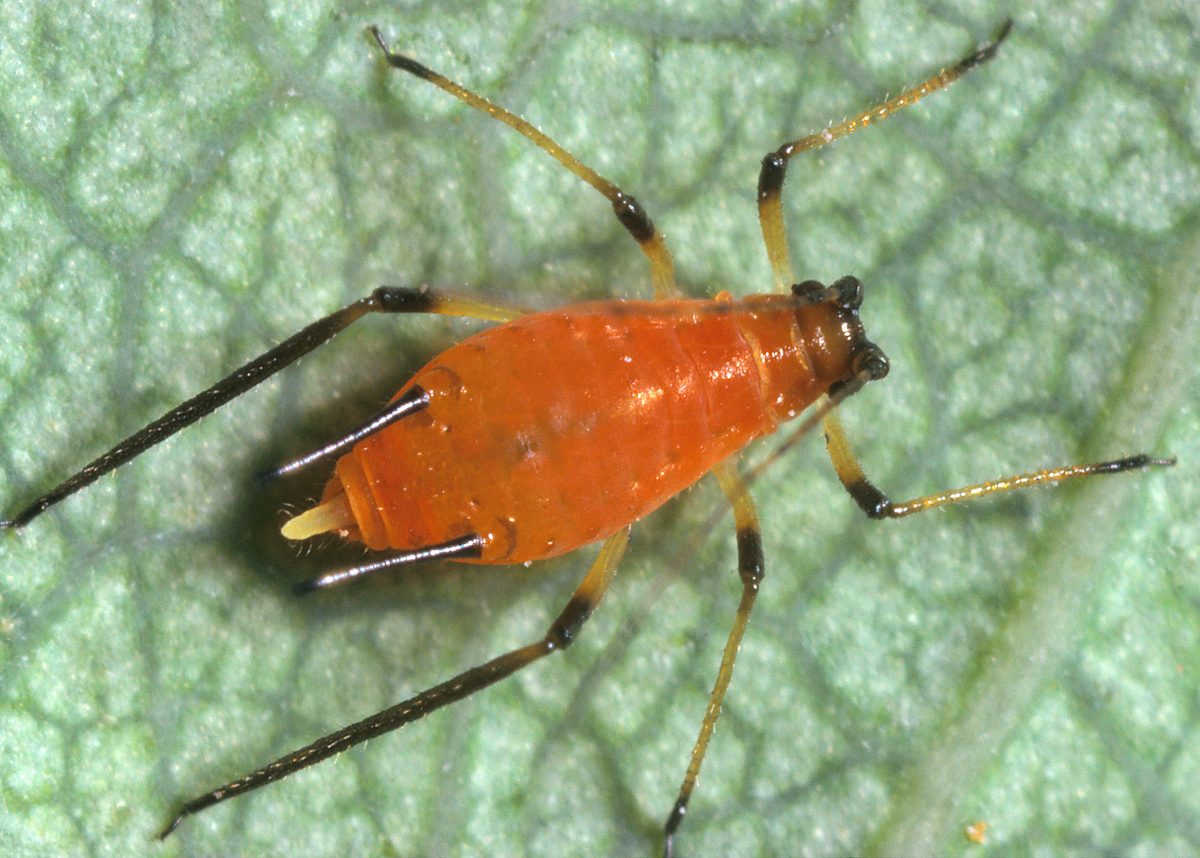
Leafy vegetables such as lettuce, spinach, broccoli and cauliflower require the most care, because aphids and other small insects hide between the leaves and are hard to spot with the naked eye. The usual technique involves separating the leaves, washing them individually under running water and checking them against the light.
- Leafy vegetables: separate leaf by leaf and wash under running water, checking both sides.
- Cauliflower and broccoli: soak in water with a bit of soap or vinegar so insects detach from the florets.
- Strawberries and raspberries: soak in salted or vinegar water before rinsing.
- Dried legumes (lentils, chickpeas): spread on a light surface and check before cooking.
And let's be honest, this is not as easy as it sounds. In our house, checking the vegetables always fell to one particular person. Over the years he started needing glasses, and one day he spotted a tiny black dot on a leaf. Convinced it was nothing, he asked his daughter what it was. She looked at him and said: can't you see it's a bug, look, it even has little legs? Since that day he doesn't check a single leaf without his glasses on. The lesson is simple: checking properly takes good light and good eyesight, and when in doubt, a second look never hurts.
It is worth looking again at the photo above with that in mind. Magnified, you can see the six legs, the antennae, everything. On the leaf, on the kitchen counter and under mediocre light, it is the little dot that almost goes unnoticed.
The lesson is simple but worth the whole article: checking properly requires good light and good eyesight. If you wear glasses, put them on. If your kitchen has dim yellow light, move the task to the table near the window. And when in doubt, a second look — or a second person — never hurts.
The seasonal factor: why summer demands extra attention
Insect prevalence is not the same all year round. In warm, humid months aphid and thrip populations multiply, and a lettuce that came practically clean in winter may require twice the work in midsummer. The same goes for provenance: greenhouse vegetables often come more infested than open-field ones, because the enclosed, temperate environment favours these populations.
That is why many certifiers publish seasonal alerts warning which products are coming in especially problematic at a given time of year. If your community has a list like this, it is worth checking before big holiday shopping trips.
Pre-checked vegetables: are they reliable?
There are now vegetables grown under specific supervision to minimise infestation — typically hydroponic or controlled greenhouse — sold with kosher certification and requiring no additional checking. They are considerably more expensive, but for families short on time or for large events they solve the problem at the root.
The important caveat: a package saying "washed and ready to eat" means nothing from a kashrut standpoint. That label speaks to food hygiene, not to insect checking. It only counts if it carries explicit kosher certification from a recognised agency. You can verify the status of a specific product in our directory of certified products.
Frequently asked questions
What if I find an insect after cooking?
It depends on the case and it is worth consulting a rabbi, because concepts of nullification (bitul) come into play that cannot be generalised in an article. The practical rule is that checking is done before cooking, precisely so as not to reach that situation.
Do commercial vegetable-disinfecting products work?
They help detach insects, just like soapy water, but they do not replace visual inspection. Washing is a preliminary step, not the final one.
Are microscopic insects also prohibited?
No. Halacha refers to what is visible to the naked eye. Microorganisms that can only be seen under a microscope do not fall under the prohibition, precisely because the criterion is what the human eye can perceive.
Further reading
If you are setting up a kosher kitchen from scratch, our guide on how to set up a kosher kitchen may help, and if you are just starting out, the review of common mistakes when starting to eat kosher includes precisely this topic among the most overlooked.
To go deeper into external sources, the Orthodox Union introductory guide covers the fundamentals of kashrut in detail, and the OU Kosher YouTube channel publishes audiovisual material on product checking. Many kosher certifiers also offer specific illustrated guides on how to check each type of vegetable depending on where it was grown, since insect prevalence varies by climate and farming method.
📰 You might be interested
Halajot
Meat and milk: why they don't mix
The separation of meat and milk is one of the best-known pillars of kashrut. We explain its origin, its scope and how it applies in practice.
Halajot
Bishul Akum: why some cooked foods need Jewish supervision
There is a specific category of rabbinic laws about food cooked by non-Jews, known as bishul akum. We explain what it's about.
Halajot
Tevilat Kelim: the ritual immersion of new utensils
Before using certain new kitchen utensils made by a non-Jewish manufacturer for the first time, there is a custom of immersing them in a mikveh.
Halajot
How to separate challah
Separating challah is a specific commandment that applies when kneading dough in large quantities, rooted in the Temple offerings.