Articles About Kashrut
Practical guides on Jewish law, koshering, festivals and everyday kosher life.

Halajot
Insects in fruits and vegetables: how to check them properly
The Torah forbids eating insects, so checking fruits and vegetables before eating them is a core part of keeping a kosher kitchen.
Halajot
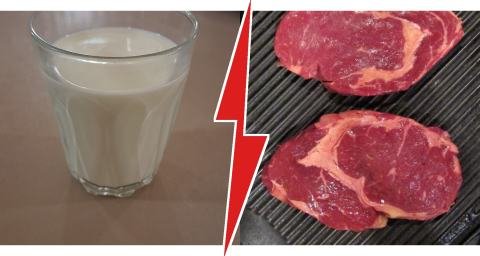
Meat and milk: why they don't mix
The separation of meat and milk is one of the best-known pillars of kashrut. We explain its origin, its scope and how it applies in practice.

Kasherización
How to kosher an oven
When an oven was used with non-kosher food, or you want to switch it from meat to dairy use, there is a specific process to make it kosher.

Kasherización
How to kosher a microwave
Microwaves have a different koshering process than a traditional oven, because they cook with steam rather than dry heat.
Kasherización
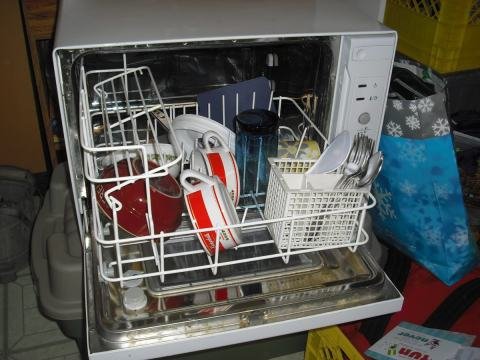
How to kosher a dishwasher
Many families use the dishwasher for meat and dairy dishes in separate cycles. Here is what it takes to kosher it.
Kasherización
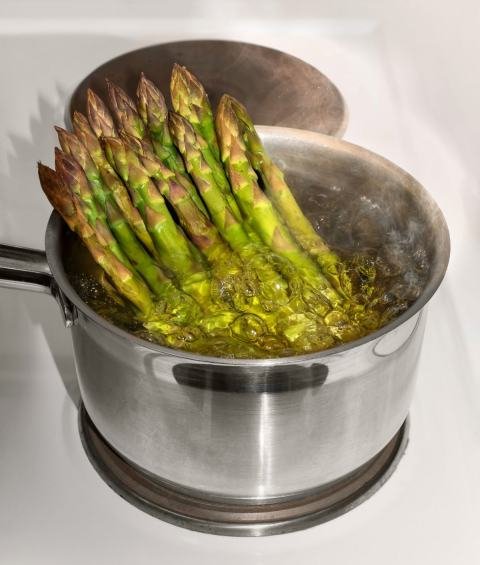
How to kosher metal utensils (hagalah)
Hagalah is the traditional method of immersion in boiling water used to kosher pots, cutlery and other metal utensils.
Festividades
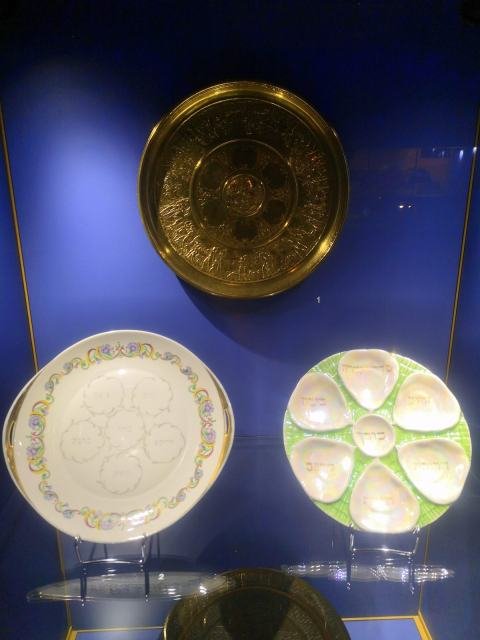
Passover dishware: everything you need to know
During Passover, stricter rules than the rest of the year apply to kitchenware, due to the prohibition of chametz.
Festividades
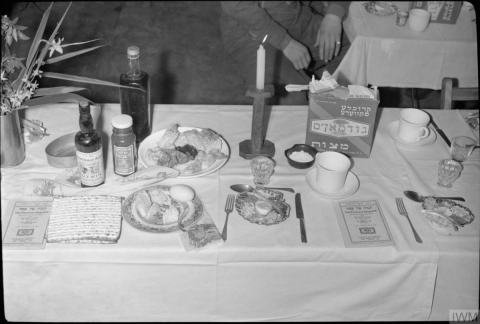
Chametz: what it is and how it is eliminated before Passover
Chametz is the fermented food forbidden during Passover. Knowing which products contain it is key to preparing for the holiday.
Productos
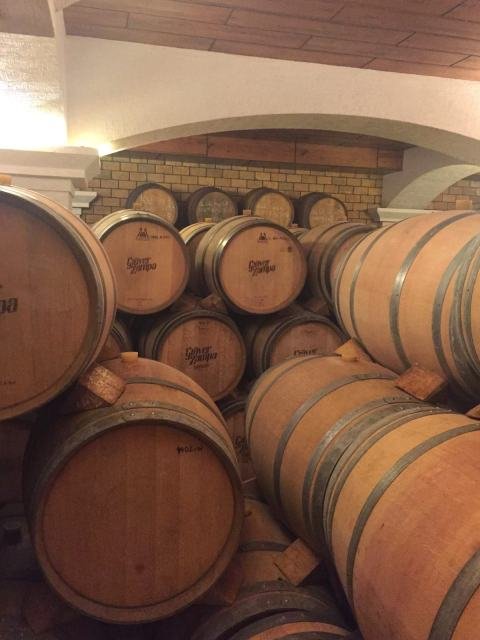
Kosher wine: why it needs special supervision
Wine has a particular status in halacha: to be kosher, it must be made and handled exclusively by observant Jews.
Productos
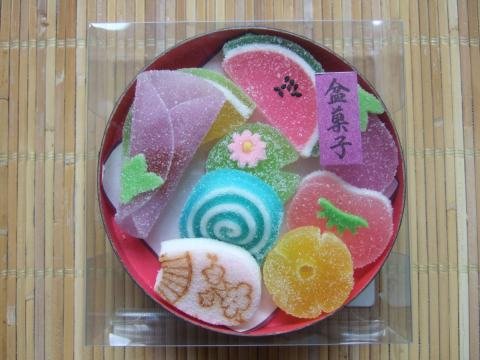
Kosher gelatin: the halachic debate
Gelatin is one of the most debated ingredients in the kosher world, because its animal origin can compromise its status.

Productos
Alcohol and spirits: what it takes for them to be kosher
Whiskey, vodka, rum and other spirits are often kosher by nature, but there are important exceptions to keep in mind.

Vida Diaria
How to eat kosher at a non-certified restaurant
Traveling or eating out without a kosher restaurant nearby doesn't mean breaking your diet. There are options to stay within the rules.

Productos
The most common kosher certification symbols
OU, OK, Star-K, KSA... there are dozens of kosher certification symbols around the world. We help you recognize the most common ones.
Kashrut Básico
Pareve: what it means and why it's so common on labels
Pareve is one of the most repeated words in kosher labeling. We explain what it means and why it's so valued.
Kashrut Básico
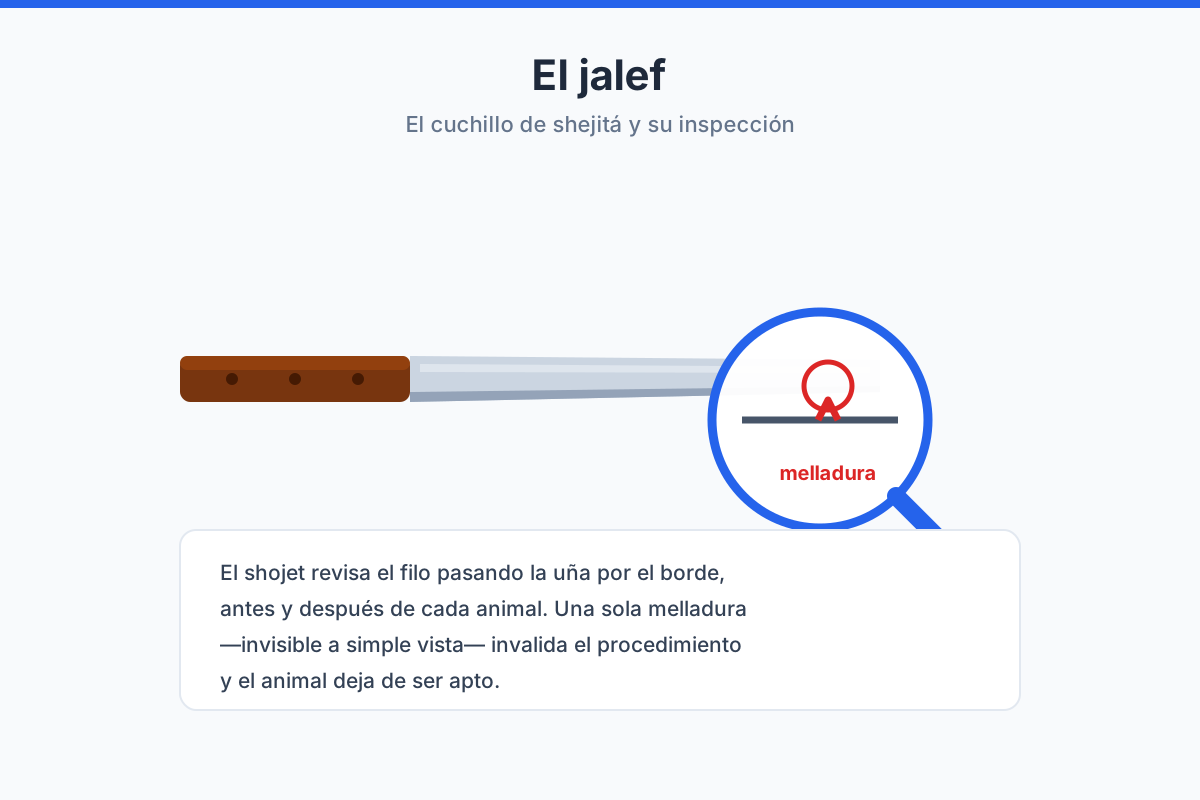
Shechita: the kosher slaughter method
For the meat of a kosher animal to be fit for consumption, it must be slaughtered using a specific ritual method called shechita.
Kashrut Básico
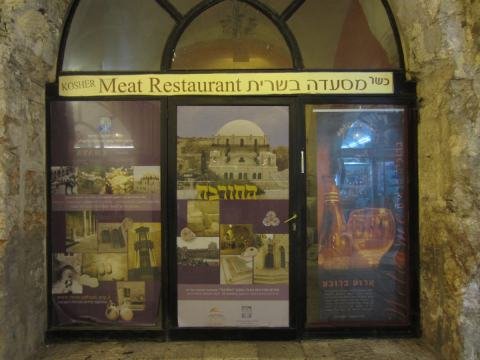
Glatt kosher: how is it different from regular kosher
The term "glatt" appears frequently in kosher butcher shops and restaurants. We explain what level of strictness it represents.
Productos
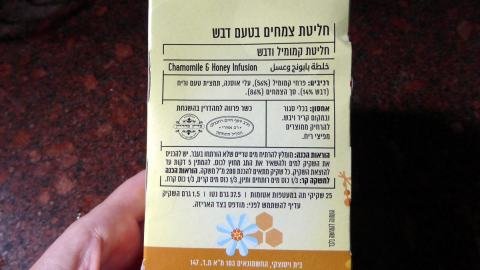
How to read a kosher product label
Beyond the certification symbol, kosher labels contain key information about whether a product is suitable for your table.
Halajot
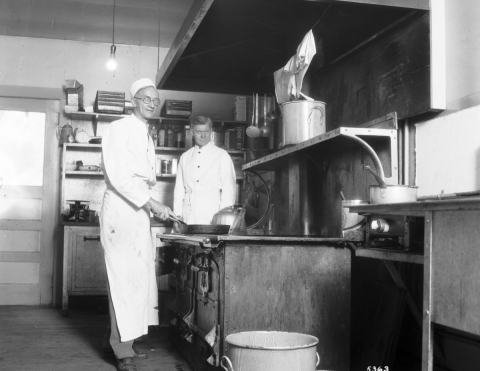
Bishul Akum: why some cooked foods need Jewish supervision
There is a specific category of rabbinic laws about food cooked by non-Jews, known as bishul akum. We explain what it's about.

Productos
Mevushal: kosher wine that can be served without restrictions
Mevushal wine is a special category that allows it to be served at events without requiring that only Jews handle it.

Halajot
Tevilat Kelim: the ritual immersion of new utensils
Before using certain new kitchen utensils made by a non-Jewish manufacturer for the first time, there is a custom of immersing them in a mikveh.

Vida Diaria
How to set up a kosher kitchen from scratch
Starting to keep a kosher kitchen can seem overwhelming at first. We give you a practical guide to the first steps.

Productos
Differences between kosher certifications around the world
Not all kosher certifiers follow exactly the same criteria. Knowing these differences helps you choose products with confidence.
Productos
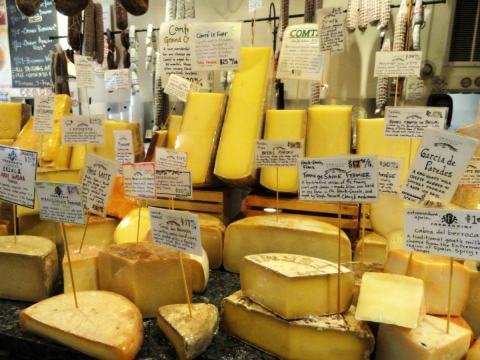
Kosher cheese: why it needs special rennet
Cheese is one of the dairy products with the most kosher restrictions, mainly because of the origin of the rennet used to make it.
Kashrut Básico
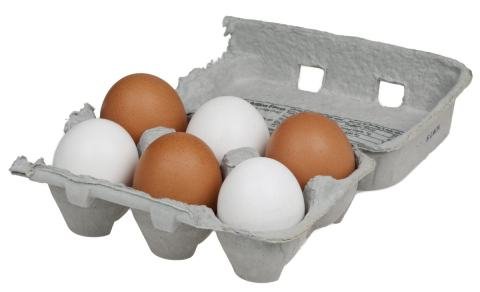
Kosher eggs: what to check before using them
Eggs are pareve and generally kosher, but there is a mandatory checking step before cooking them.
Kashrut Básico
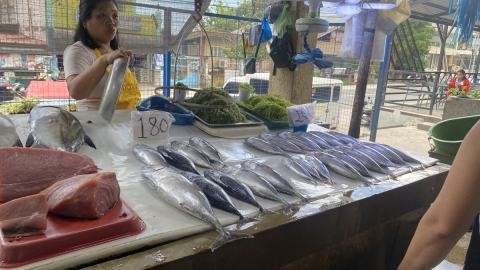
Kosher fish: fins and scales, the basic rules
Unlike meat, kosher fish does not require shechita, but it must meet a specific physical criterion.
Productos
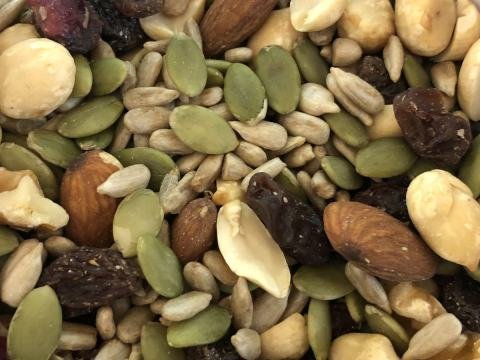
Nuts and kashrut: cross-contamination risks
Nuts are naturally pareve, but industrial processing can introduce kashrut risks that are not obvious.
Kashrut Básico
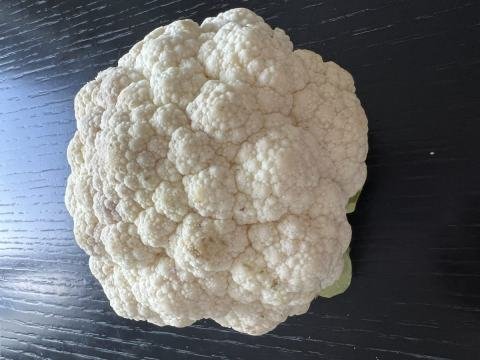
Kashrut and veganism: is eating vegan the same as eating kosher?
Many people assume a vegan product is automatically kosher. The reality is more nuanced.
Halajot
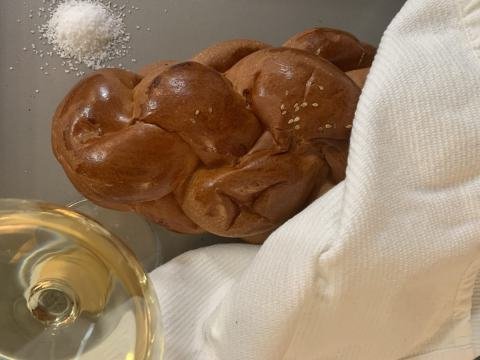
How to separate challah
Separating challah is a specific commandment that applies when kneading dough in large quantities, rooted in the Temple offerings.
Festividades
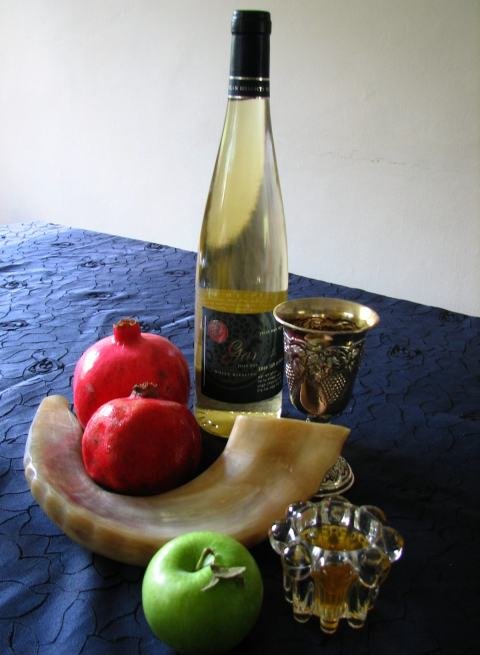
The Jewish calendar and the holidays that affect kosher eating
Several Jewish holidays have their own food customs, beyond the general rules of kashrut.
Vida Diaria
Common mistakes when starting to eat kosher
Adopting kashrut for the first time is a learning process. We go over the most frequent mistakes to avoid from the start.