Productos
Alcohol and spirits: what it takes for them to be kosher
Whiskey, vodka, rum and other spirits are often kosher by nature, but there are important exceptions to keep in mind.
Most spirits — whiskey, vodka, rum, gin — are made from grains, potato or sugar cane, ingredients that on their own do not present kashrut problems. That is why many simple spirits are kosher without needing special certification, as long as no non-kosher flavors, colorings or additives are added.
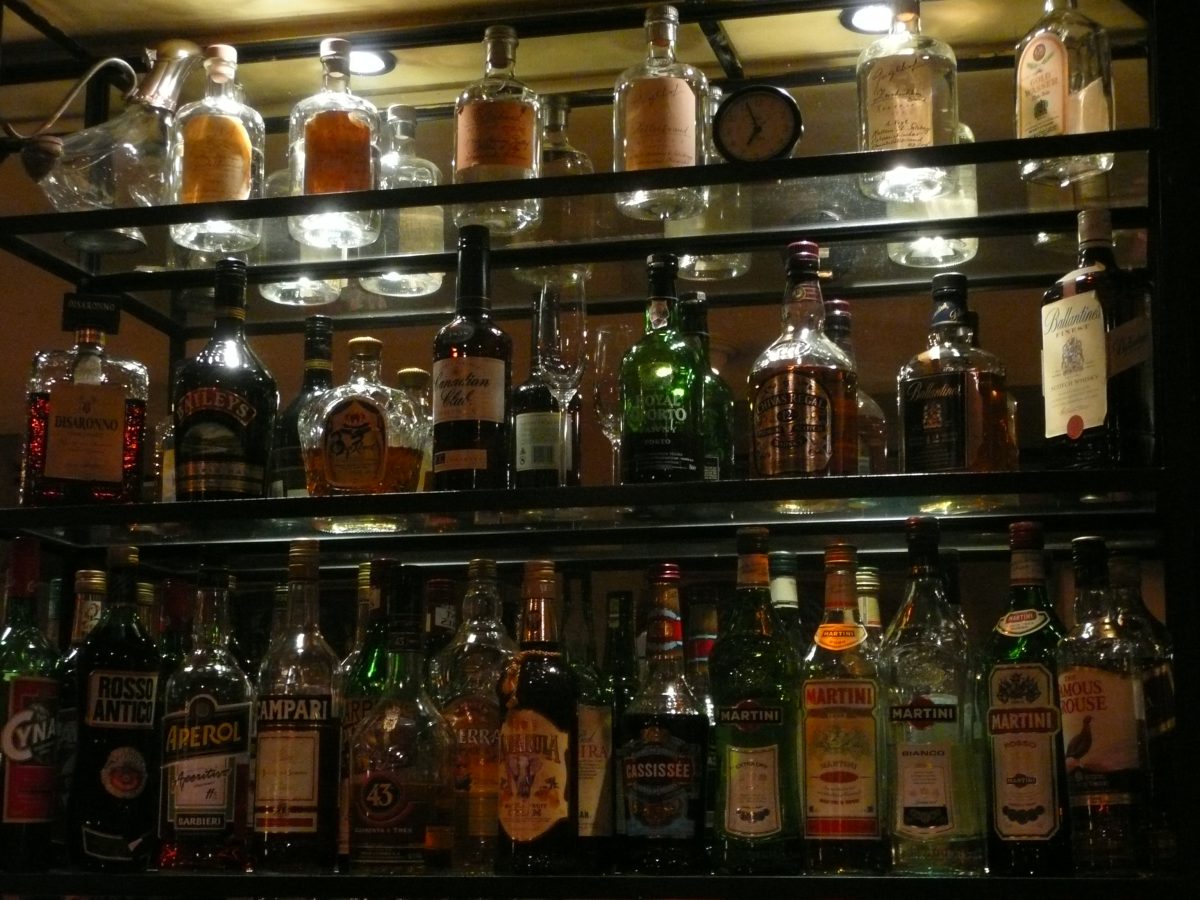
Points that deserve attention
- Aging in wine or sherry barrels: some whiskeys and rums are aged in barrels that previously held non-kosher wine, and that contact can affect their status, similar to how kosher wine barrels can only be reused a limited number of times.
- Flavorings and additives: cream-, chocolate- or fruit-flavored liqueurs often include ingredients (colorings, essences, stabilizers) that require case-by-case verification.
- Wine-based drinks (such as vermouth or certain liqueurs): inherit all the restrictions of kosher wine, including the need for rabbinic supervision throughout production.
- Beer: generally kosher due to its base ingredients (water, barley, hops, yeast), except for variants with special flavorings or filtering processes that use animal-derived fining agents.
- Cream liqueurs: since they contain dairy, beyond checking ingredients you also need to consider the rules on mixing with meat dishes.
Why vodka and gin tend to be simpler
Neutral spirits like vodka or base gin tend to raise fewer questions than whiskey or rum, since they generally don't go through wood aging and their ingredients are more straightforward: water and fermented, repeatedly distilled grain or potato. Gin is a middle case, since botanicals (juniper, citrus, spices) are added during distillation, and that's where it's worth checking those additives don't include problematic ingredients.
Passover: the exception that changes everything
During Passover, extra attention is needed because many spirits are made from grains that constitute chametz, so a specific "kosher for Passover" certification is required during that time of year. This especially affects whiskey (made from barley) and some grain vodkas, while potato- or sugar-cane-based spirits tend to have fewer additional restrictions for the holiday, though it's still worth confirming the specific certification before buying.
Frequently asked questions
Is every whiskey without visible kosher certification automatically unfit?
Not necessarily, but without verification there is no way to confirm whether it was aged in non-kosher wine barrels or contains problematic additives. When in doubt, look for a recognized certified brand.
Can the alcohol itself (ethanol) be non-kosher?
Ethanol as a molecule has no kashrut issue; the concern is always about the origin of the fermented raw material and any additives introduced after distillation.
Can cocktails made at a regular bar be considered kosher if all the ingredients are?
It depends on each person's criteria: beyond the ingredients, whether the bar uses the same equipment for preparations with non-kosher ingredients also comes into play, similar to the issue raised in eating kosher at a non-certified restaurant.
Related reading
To understand why wine needs such strict supervision, which also affects wine-based liqueurs, see kosher wine. And for the exception that allows serving wine without restrictions, see mevushal wine.
📰 You might be interested
Productos
Kosher wine: why it needs special supervision
Wine has a particular status in halacha: to be kosher, it must be made and handled exclusively by observant Jews.
Productos
Kosher gelatin: the halachic debate
Gelatin is one of the most debated ingredients in the kosher world, because its animal origin can compromise its status.
Productos
The most common kosher certification symbols
OU, OK, Star-K, KSA... there are dozens of kosher certification symbols around the world. We help you recognize the most common ones.
Productos
How to read a kosher product label
Beyond the certification symbol, kosher labels contain key information about whether a product is suitable for your table.