Productos
The most common kosher certification symbols
OU, OK, Star-K, KSA... there are dozens of kosher certification symbols around the world. We help you recognize the most common ones.
When a product goes through the kosher certification process, the certifying agency authorizes the use of a symbol (hechsher) on the packaging that lets it be identified at a glance. There are hundreds of certifiers worldwide, but some are especially well known for their global reach, and learning to recognize them saves a lot of time at the store.
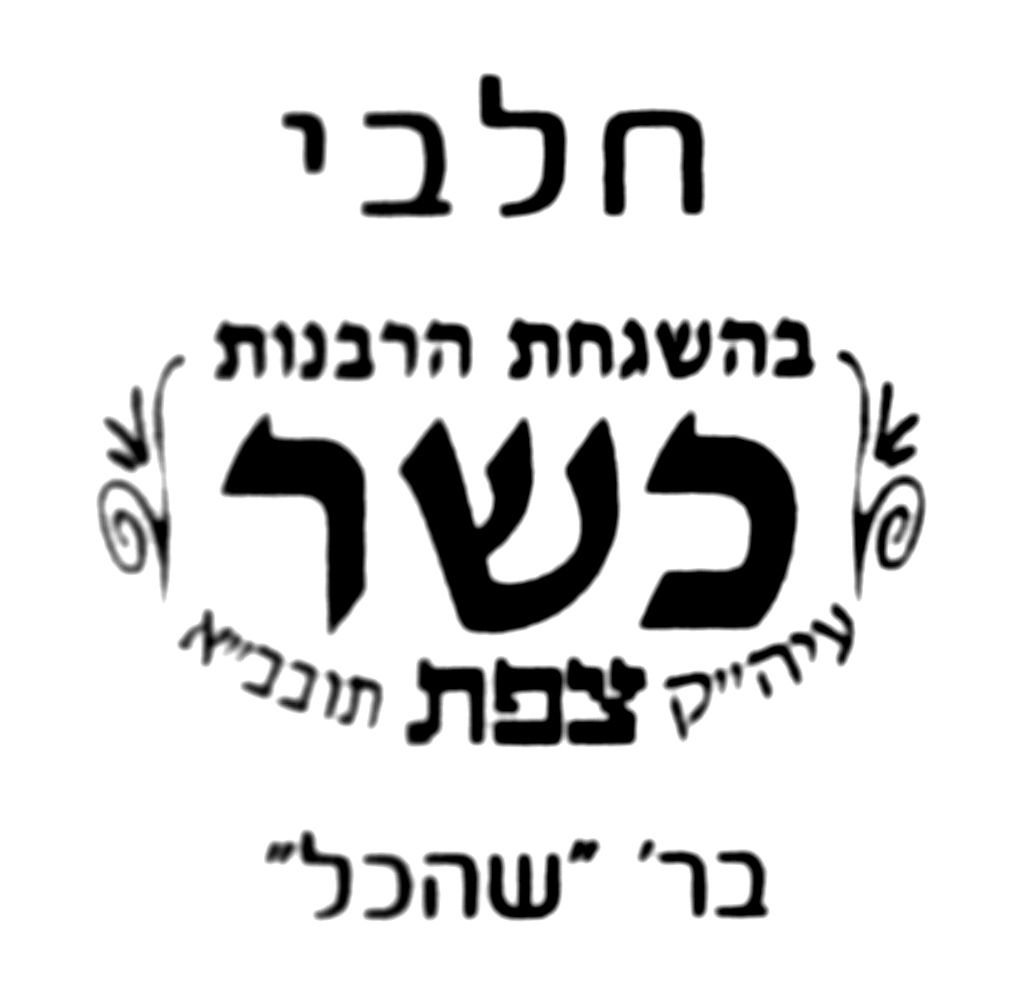
The most widely recognized symbols worldwide
- OU (Orthodox Union): a "U" inside a circle. It is probably the most recognized kosher symbol worldwide, based in the United States, appearing on tens of thousands of products.
- OK Kosher Certification: a "K" inside a circle, another major U.S. agency, strong in industrial products and additives.
- Star-K: a star with a "K" in the center, based in Baltimore.
- KSA (Kosher Supervision of America): a certifier with a strong presence in industrial products and flavorings.
- Badatz: a seal used by several rabbinic courts in Israel, associated with very high standards of strictness (there are several distinct Badatz bodies, not a single organization).
- Local certifiers: in countries like Argentina, Brazil or Mexico there are local community certifiers (such as each kehilah's Va'ad Hakashrut) with their own seals, generally recognized only within that community or country.
The letters that accompany the symbol
Besides the symbol, many labels include an additional letter: "D" (dairy), "M" (meat), "Pareve" (neutral) or "DE" (dairy equipment, made on dairy equipment but without direct dairy ingredients). This last distinction matters: a "DE" product is not suitable to eat right after meat, even though it contains no dairy ingredients. Knowing these symbols greatly speeds up shopping, especially when traveling to countries where you don't speak the local language.
A hechsher is not a one-time paperwork step: it is constant supervision
It's worth clarifying something people don't always understand: a hechsher isn't a one-time paperwork step that stays valid forever. It's active, ongoing supervision. We know of a case involving a bakery in Buenos Aires that held certification from a community agency. At one point the supervising rabbi noticed something odd and sent people to check things out, almost like a detective. They found the bakery was buying dulce de leche without supervision, when it was only supposed to use Chalav Yisrael products (dairy made under Jewish supervision). They warned the owner and asked him to fix it. Not long after, unaware he was still being watched closely, he turned up buying regular, uncertified cheese, and that was the last straw: his supervision was pulled. It was all handled quietly, with no scandal, simply by no longer certifying the place.
The takeaway for consumers is clear: the seal is worth something because someone is genuinely checking, all the time, behind it. That's why it's worth trusting recognized certifiers and, when you come across an unfamiliar symbol, asking within the community before assuming a product is kosher.
Why some communities only accept certain seals
Not every rabbi or community accepts the same hechsherim. Some criteria are more flexible and trust a wide range of recognized certifiers; others, especially stricter communities, only trust a handful of seals whose standards they know in depth. It is not unusual to see "reliable hechsher lists" that each community publishes for its members. When in doubt about whether a particular seal is accepted, the simplest approach is to ask the congregation's rabbi directly.
Frequently asked questions
Can a product with no symbol at all still be kosher?
Technically yes, if all its ingredients are kosher and it never touched non-kosher equipment, but without certification there is no way to verify that from the outside. That is exactly why the hechsher exists.
Is every symbol with a "K" trustworthy?
No. Unlike "OU" or "OK," a plain letter "K" is not trademarked by any specific agency, so any manufacturer can print it without it meaning real supervision. Be cautious of a standalone "K" with no identifiable agency behind it.
Do symbols mean the same thing in every country?
The symbol's design is usually consistent since it is trademarked by the certifier, but the level of trust each community places in it varies by country and religious stream.
Related reading
To understand the difference between "D," "M" and "Pareve" in detail, see what pareve means. And if you want to read a full label beyond the symbol, see how to read a kosher product label.
📰 You might be interested
Productos
Kosher wine: why it needs special supervision
Wine has a particular status in halacha: to be kosher, it must be made and handled exclusively by observant Jews.
Productos
Kosher gelatin: the halachic debate
Gelatin is one of the most debated ingredients in the kosher world, because its animal origin can compromise its status.
Productos
Alcohol and spirits: what it takes for them to be kosher
Whiskey, vodka, rum and other spirits are often kosher by nature, but there are important exceptions to keep in mind.
Productos
How to read a kosher product label
Beyond the certification symbol, kosher labels contain key information about whether a product is suitable for your table.