Productos
Nuts and kashrut: cross-contamination risks
Nuts are naturally pareve, but industrial processing can introduce kashrut risks that are not obvious.
Almonds, walnuts, peanuts and most nuts are, in their raw, natural form, pareve foods with no kashrut restrictions. The problem appears when they enter the industrial processing chain, where they can mix with other products on the same production lines.
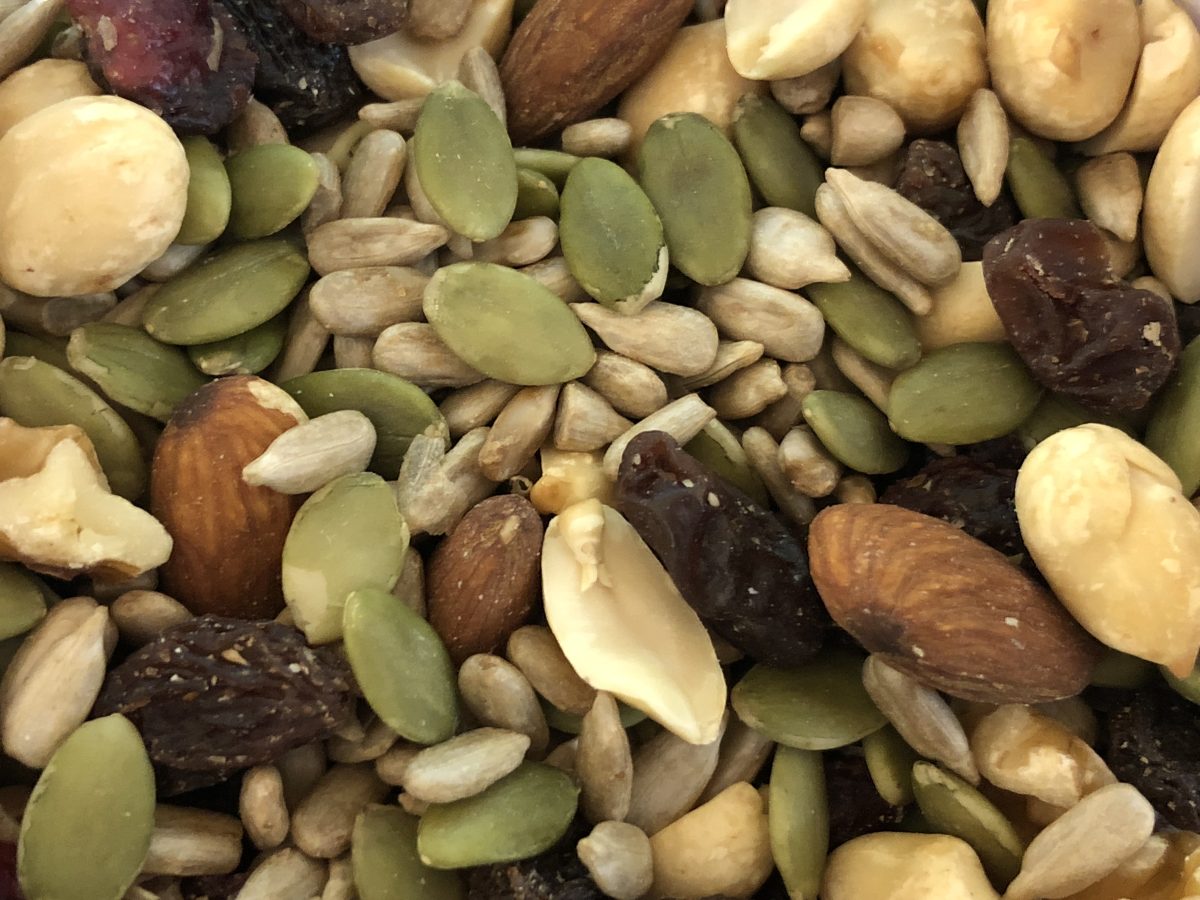
The most common risks
- Dairy flavorings: nuts "roasted with butter" or coated in milk chocolate are no longer pareve, and move into the dairy category, with all the mixing restrictions that implies.
- Shared lines: a factory may process pareve nuts on the same equipment later used for dairy or meat-derived products, generating non-kosher traces if there is no certified cleaning between batches, something no ingredient label reveals on its own.
- Cooking oils: some fried nuts use oils shared with other non-kosher products, without it affecting the final flavor.
- Glazes and coatings: "candied" nuts or those with a sweet coating may contain gelatin or other animal-derived ingredients in the glaze.
Why this is more common than it seems
Many nut factories process dozens of different varieties and presentations at the same plant, to make the most of the same equipment: the line that today roasts plain almonds may have processed a milk-chocolate-coated batch yesterday. Without certified cleaning between batches (or without lines dedicated exclusively to pareve products), enough residue remains for the product to no longer be considered pareve under a strict criterion.
How to reduce the risk in practice
That is why, although a raw, unprocessed nut bought in bulk from a trustworthy source or in its original shell almost never presents problems, industrial products (nut mixes, flavored snacks, granola bars) should always be checked for certification, without assuming they are automatically kosher just because the main ingredient is. This applies just as strongly to products marketed as "natural" or "additive-free": those labels say nothing about shared equipment.
Frequently asked questions
Are unbranded bulk nuts riskier than packaged ones?
They can be, since there is no way to trace the origin or process; it's best to buy them from trustworthy stores or prefer certified brands.
Does peanut butter carry the same risk?
Yes, and sometimes more, since it often includes additional oils and stabilizers that also require verification, beyond the peanuts themselves.
Do home-activated or soaked nuts change the analysis at all?
No, if the original nut was raw and not industrially processed, soaking it at home introduces no new kashrut risk.
Related reading
For another ingredient where industrial processing is the key issue, see kosher gelatin: the halachic debate. And to understand how to read all the relevant information on a label, see how to read a kosher product label.
📰 You might be interested
Productos
Kosher wine: why it needs special supervision
Wine has a particular status in halacha: to be kosher, it must be made and handled exclusively by observant Jews.
Productos
Kosher gelatin: the halachic debate
Gelatin is one of the most debated ingredients in the kosher world, because its animal origin can compromise its status.
Productos
Alcohol and spirits: what it takes for them to be kosher
Whiskey, vodka, rum and other spirits are often kosher by nature, but there are important exceptions to keep in mind.
Productos
The most common kosher certification symbols
OU, OK, Star-K, KSA... there are dozens of kosher certification symbols around the world. We help you recognize the most common ones.