Kasherización
How to kosher metal utensils (hagalah)
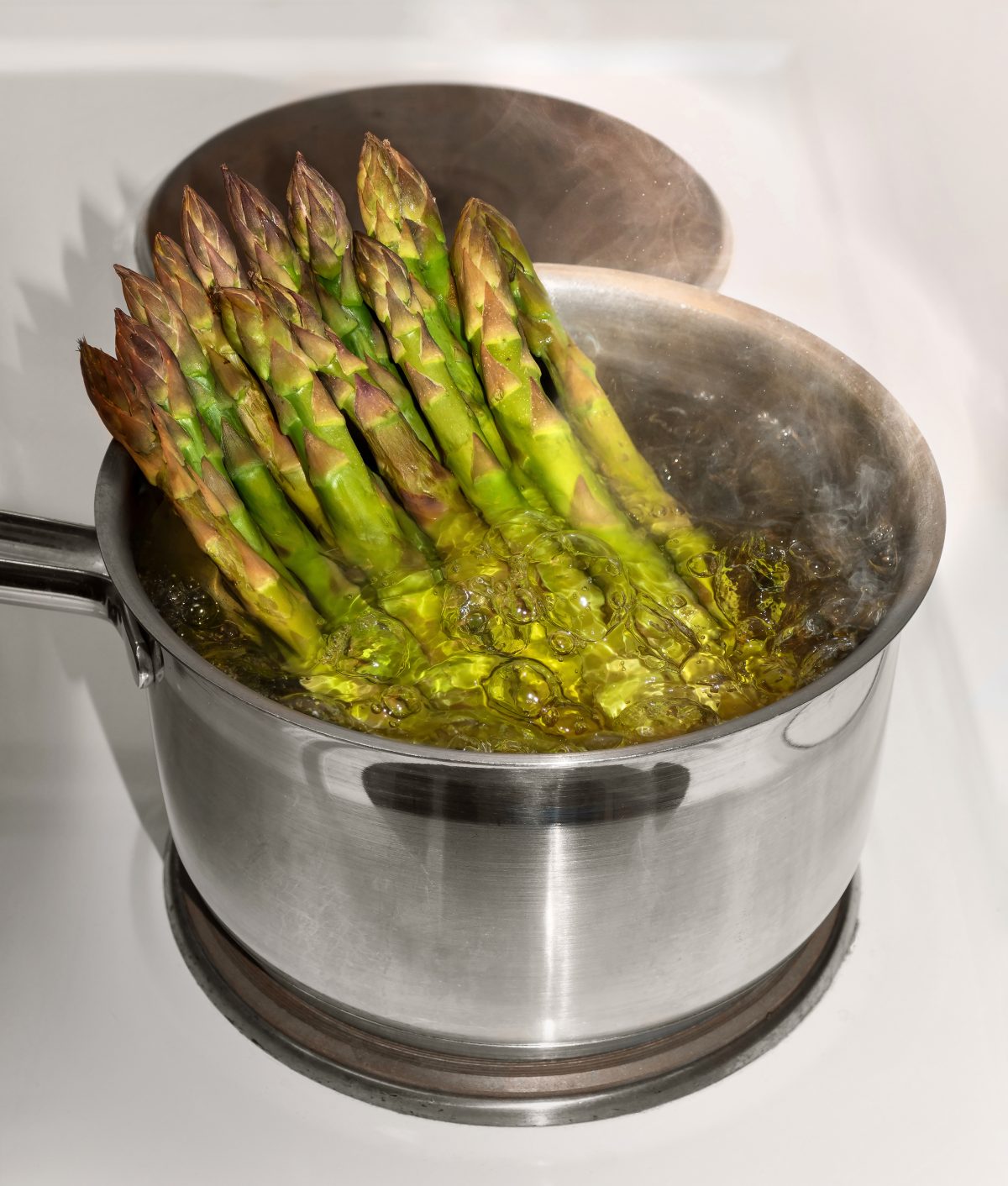
Hagalah is the traditional method of immersion in boiling water used to kosher pots, cutlery and other metal utensils.
Hagalah is one of the oldest koshering methods and is mainly used on metal utensils that were heated directly by fire or boiling liquid, such as pots, cutlery, pans (without a non-stick coating) and certain other kitchenware.
The principle behind the method
The principle is simple to remember: "as it absorbed, so it releases" (kevol'o kach polto). If a utensil absorbed non-kosher (or meat/dairy) flavor through boiling liquid, it is purified the same way: by immersing it in boiling water. It is the same principle behind koshering an oven, applied through a different method depending on what kind of heat each surface absorbed.
The step-by-step procedure
- Clean the utensil thoroughly, with no rust, stuck-on food or caked dirt. Any residue left behind blocks direct contact with the water and invalidates the process in that spot.
- Wait 24 hours without using the utensil before doing hagalah. That waiting period makes the absorbed flavor count as "spoiled" and easier to expel.
- Bring a large pot of water to a rolling boil, in a container other than the one being koshered.
- Fully submerge the utensil in the boiling water, making sure all its surfaces — including edges and crevices — come into contact with the water at that temperature.
- Remove it with an implement that has not been in contact with non-kosher food, and rinse it immediately in cold water.
Utensils that this method cannot handle
Utensils with wooden or plastic handles, or with parts glued with adhesives that cannot withstand boiling water, are generally not suitable for hagalah and need a different method, or simply cannot be koshered. Non-stick (Teflon) pans also are not usually koshered via hagalah, since the coating is damaged by the heat and the koshering process itself would ruin the surface anyway. Glass and dishware follow a different criterion, covered in Passover dishware, material by material.
Frequently asked questions
Does hagalah work for any utensil that touched non-kosher food?
Not always. If the utensil was in direct contact with fire (like a grill), the correct method is different: libun, which requires heating the metal until it glows or until a piece of straw touching it would burn. Hagalah is specifically for absorption through liquid.
How many times can the same utensil be koshered this way?
There is no fixed limit on reuse, as long as the utensil is in good condition. What matters each time is respecting the 24-hour waiting period beforehand.
Do I need a rabbi present to do hagalah at home?
It is not required for routine home use, but when in doubt about a specific utensil (unknown material, mixed use), it is worth consulting first.
Related reading
If the utensil in question is an oven or a microwave, those follow their own rules: see how to kosher an oven and how to kosher a microwave. For the dishwasher, one of the most debated appliances, see how to kosher a dishwasher.
📰 You might be interested
Kasherización
How to kosher an oven
When an oven was used with non-kosher food, or you want to switch it from meat to dairy use, there is a specific process to make it kosher.
Kasherización
How to kosher a microwave
Microwaves have a different koshering process than a traditional oven, because they cook with steam rather than dry heat.
Kasherización
How to kosher a dishwasher
Many families use the dishwasher for meat and dairy dishes in separate cycles. Here is what it takes to kosher it.