Kasherización
How to kosher an oven
When an oven was used with non-kosher food, or you want to switch it from meat to dairy use, there is a specific process to make it kosher.
Koshering an oven is necessary in several situations: when buying a house with an oven previously used in a non-kosher way, when switching an oven's use (for example, from meat to dairy), or before Passover, when every trace of chametz must be removed.
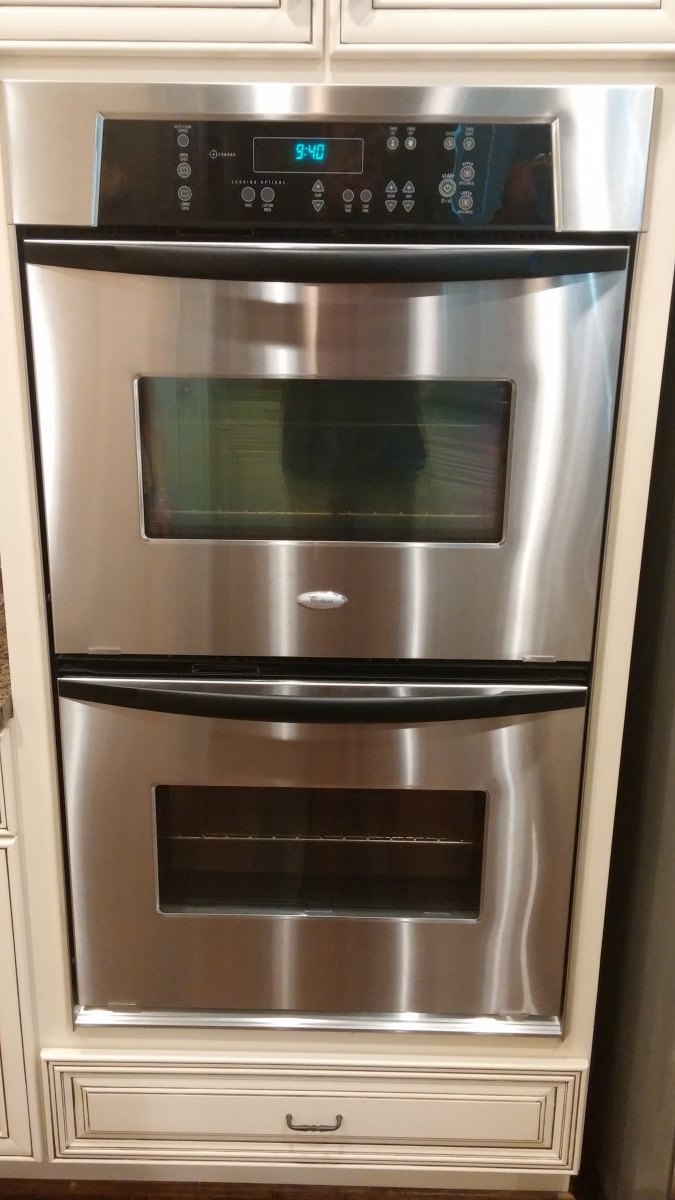
Why an oven needs such a drastic method
An oven's interior reaches very high temperatures on every use, so any absorbed residue is considered "baked in" at a much deeper level than in a pot. That is why a milder method like hagalah (boiling water immersion) is not enough here: the oven needs libun, self-cleaning through intense dry heat, which mirrors the same "as it absorbed, so it releases" principle used for metal utensils, just applied through fire instead of water.
The step-by-step procedure
- Clean the oven thoroughly, removing all visible dirt and food residue, including the door seal and any corner where grease tends to build up.
- Do not use the oven for 24 hours before koshering it.
- Turn the oven to its highest possible temperature (ideally using the self-cleaning function, if the oven has one) for at least one hour, until the interior surfaces glow.
Racks, trays and glass surfaces
Metal racks and trays can usually be koshered separately by immersion in boiling water (hagalah), while glass or enamel surfaces generally require libun because they are more absorbent materials. Glass, in particular, is one of the most debated materials in kashrut: some opinions treat it as non-absorbent altogether, while others require the same intense heat as metal.
Ovens that cannot handle libun
Some modern ovens, especially those with plastic components, electronic touch panels or special non-stick coatings, are not built to withstand the temperature that libun requires and can be damaged or even become a fire hazard. In those cases, it is better to replace the oven entirely for a fresh kosher start rather than force a koshering method the appliance was not designed for.
Frequently asked questions
Does the self-cleaning cycle by itself count as libun?
In most opinions, yes, since it reaches the required temperature, but it is worth confirming that the cycle covers every interior surface, including the door.
Do I need to kosher the oven every time I cook something non-kosher by mistake?
If it was an isolated event, consulting a rabbi about the specific situation is the safest path, since the answer can depend on the food, the temperature and how long it was inside.
Can I kosher an oven for both meat and dairy use?
Many families prefer to assign the oven to a single category from the start, or use separate trays and liners for each use, rather than koshering it repeatedly between uses.
Related reading
For the microwave, which uses a different method based on steam instead of dry heat, see how to kosher a microwave. For the dishwasher, one of the most debated appliances among rabbinic authorities, see how to kosher a dishwasher.
📰 You might be interested
Kasherización
How to kosher a microwave
Microwaves have a different koshering process than a traditional oven, because they cook with steam rather than dry heat.
Kasherización
How to kosher a dishwasher
Many families use the dishwasher for meat and dairy dishes in separate cycles. Here is what it takes to kosher it.
Kasherización
How to kosher metal utensils (hagalah)
Hagalah is the traditional method of immersion in boiling water used to kosher pots, cutlery and other metal utensils.