Productos
Kosher cheese: why it needs special rennet
Cheese is one of the dairy products with the most kosher restrictions, mainly because of the origin of the rennet used to make it.
Rennet is the enzyme traditionally used to coagulate milk and separate the whey in cheesemaking. The problem from a kashrut standpoint is that traditional rennet is extracted from a calf's stomach, and for it to be fit, that animal must have been slaughtered via shechita — something that almost never happens in conventional cheese manufacturing.
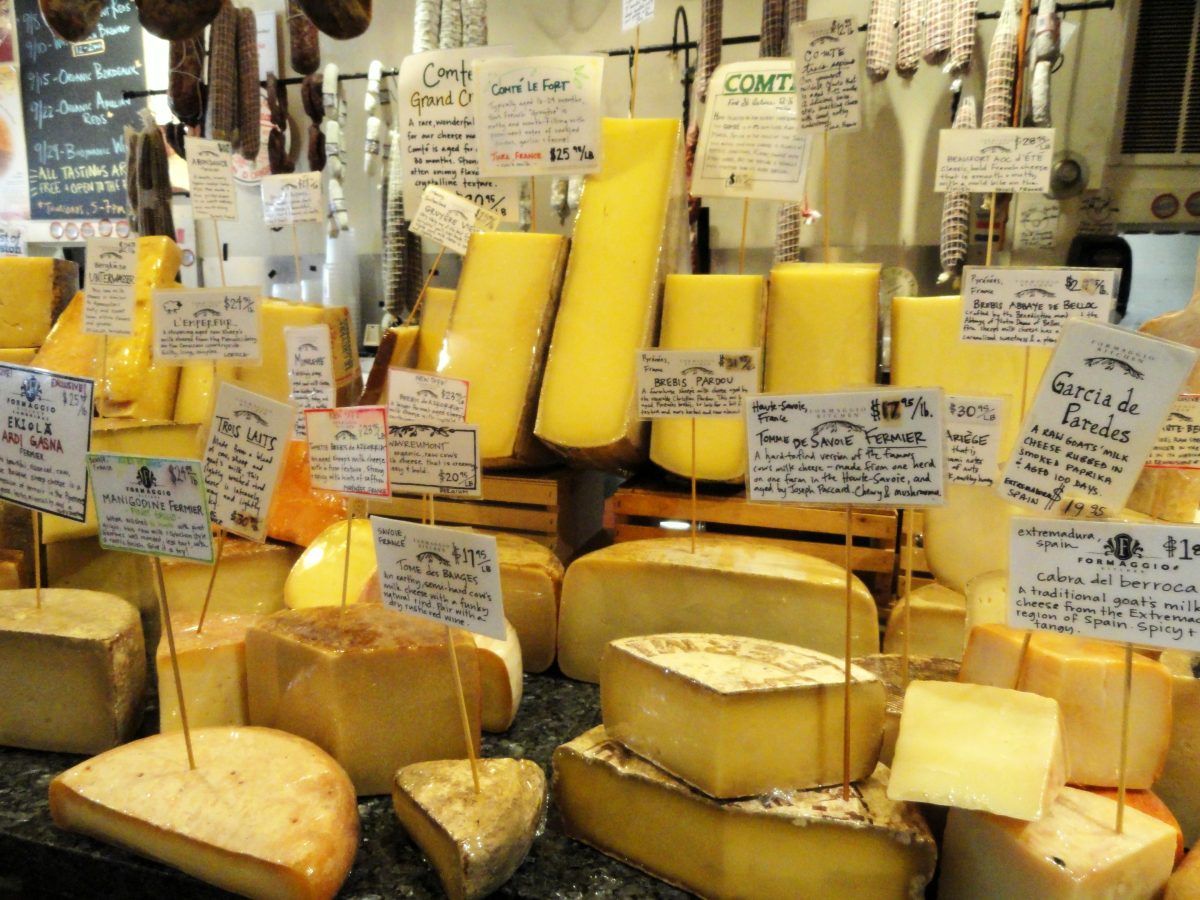
Why "regular" cheese usually isn't kosher by elimination
That is why practically all "regular" cheese on the market, even if made only with milk and rennet, is not kosher without specific certification, since the rennet's origin cannot be verified by sight. Neither the color, taste, nor texture of the cheese changes based on the type of rennet used, so there is no way to tell them apart without information from the manufacturer.
The three alternatives manufacturers use
Options used by kosher cheese manufacturers include:
- Kosher animal rennet: extracted from animals slaughtered according to shechita and under rabbinic supervision throughout the chain, from slaughter to enzyme extraction.
- Microbial rennet: produced through fermentation of fungi or bacteria, with no animal origin, increasingly common in both industrial and kosher cheeses, since it also solves the problem for vegetarian consumers.
- Plant-based rennet: extracted from certain plants (such as thistle), traditionally used in some specific artisanal cheese varieties, especially on the Iberian Peninsula.
Gvinat Yisrael: a criterion that goes beyond rennet
Besides rennet, there is another relevant factor: many communities require that the cheese be made under constant Jewish supervision (Gvinat Yisrael) to consider it fully kosher, an additional criterion beyond a simple ingredient analysis, closer to the principle behind bishul akum: correct ingredients aren't enough, who supervises the process matters too.
Frequently asked questions
Are vegan or "dairy-free" cheeses automatically kosher?
Not necessarily. Even though they avoid the animal rennet problem, you still need to check the rest of the ingredients and the equipment used, just like with any other industrial product.
Does packaged shredded cheese carry the same risk as a whole block?
Yes, and sometimes more: the shredding and packaging process can introduce other ingredients (anti-caking agents, preservatives) that also require verification.
How do I know if a cheese uses microbial or animal rennet with no certification?
Without visible certification there is no reliable way to know from the label; that is why buying cheese with a recognized seal is the safest way to avoid mistakes.
Related reading
To understand the slaughter method that determines whether animal rennet is fit, see shechita: the kosher slaughter method. And for another equally debated animal-derived ingredient, see kosher gelatin: the halachic debate.
📰 You might be interested
Productos
Kosher wine: why it needs special supervision
Wine has a particular status in halacha: to be kosher, it must be made and handled exclusively by observant Jews.
Productos
Kosher gelatin: the halachic debate
Gelatin is one of the most debated ingredients in the kosher world, because its animal origin can compromise its status.
Productos
Alcohol and spirits: what it takes for them to be kosher
Whiskey, vodka, rum and other spirits are often kosher by nature, but there are important exceptions to keep in mind.
Productos
The most common kosher certification symbols
OU, OK, Star-K, KSA... there are dozens of kosher certification symbols around the world. We help you recognize the most common ones.