Festividades
The Jewish calendar and the holidays that affect kosher eating
Several Jewish holidays have their own food customs, beyond the general rules of kashrut.
Besides the kashrut rules that apply all year, the Jewish calendar brings holidays with their own food customs, and knowing them helps explain why certain products come and go from store shelves at certain times of year.
A tour through each holiday
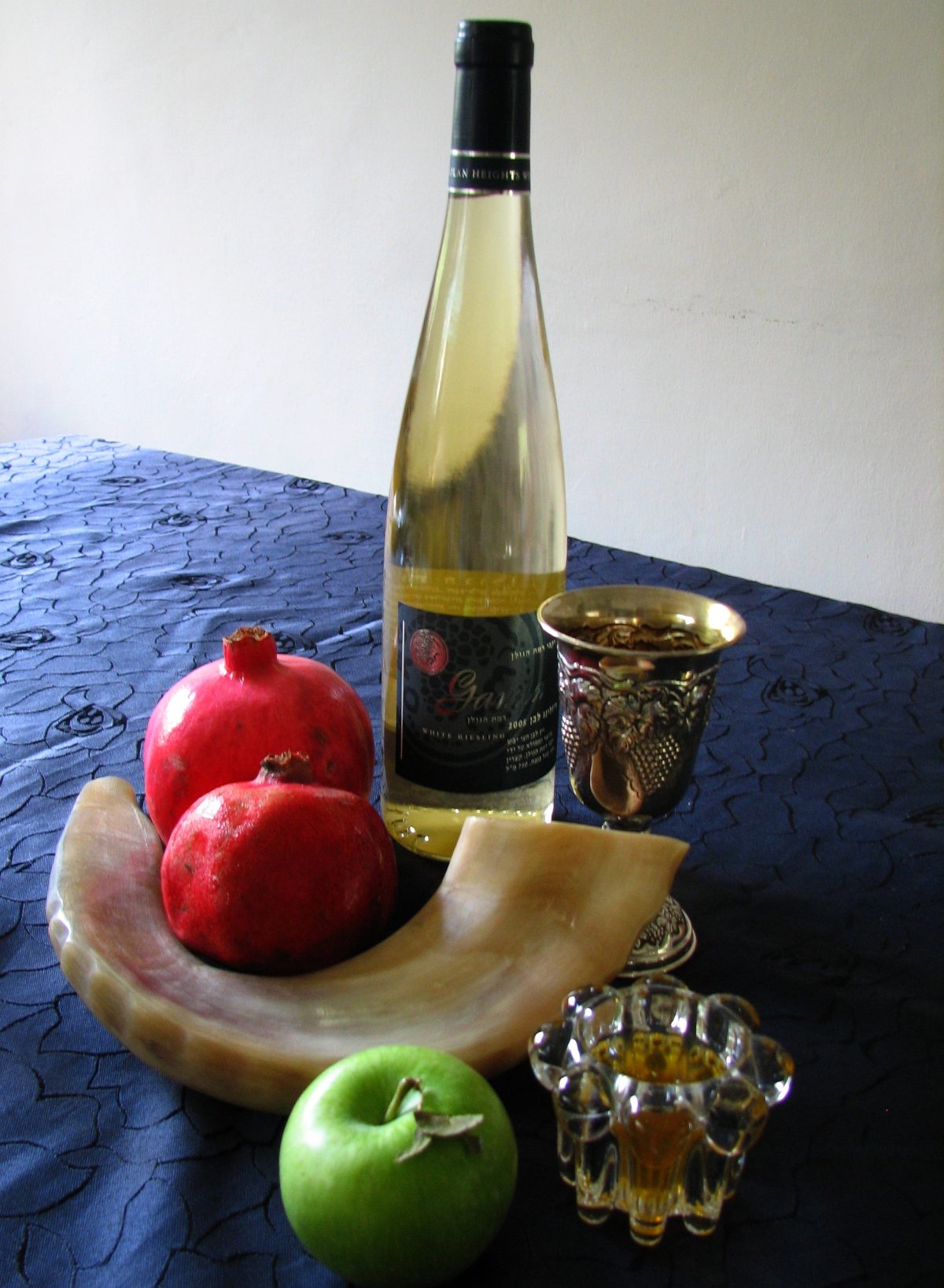
- Rosh Hashanah: it is customary to eat apple with honey to symbolize a sweet year, and to avoid bitter or sour foods at the festive table. It is also common to eat pomegranate, symbolically counting its seeds as the merits wished for the new year.
- Yom Kippur: a full 25-hour fast day, with no food or drink, except for specific medical exceptions. The meal before the fast (seudah mafseket) is usually hearty but simple, avoiding very salty foods that cause thirst.
- Sukkot: it is customary to eat in a temporary outdoor hut (sukkah) throughout the holiday week, recreating the temporary dwellings from the exodus from Egypt.
- Hanukkah: a tradition of eating foods fried in oil (such as sufganiyot, filled doughnuts, and latkes, potato pancakes) commemorating the miracle of the oil that lasted eight days.
- Purim: hamantaschen (Haman's ears), filled triangular pastries, are prepared, and it is customary to share gift baskets of food (mishloach manot) with friends and family, plus a festive meal (seudah) in the afternoon.
- Passover: the holiday with the most dietary restrictions, centered on the prohibition of chametz, with matzah as the central food of the whole week.
- Shavuot: a custom of eating dairy foods, with dishes like cheesecake and blintzes (cheese-filled pancakes) taking center stage, commemorating the giving of the Torah.
Why this affects what you see on shelves
That is why products like matzah, sufganiyot or kosher-for-Passover wine appear with much greater availability on shelves and in stores right before each holiday, and often disappear entirely the rest of the year. For anyone unfamiliar with the Jewish calendar, this can seem erratic; in reality it follows a fairly predictable annual cycle once you know the dates.
The lunar calendar: why the dates "move"
The Jewish calendar is lunisolar, which makes holidays fall on different dates of the Gregorian calendar each year, though always around the same season (Passover always in the Northern Hemisphere's spring, for example). It's worth checking the specific Jewish calendar for each year instead of memorizing a fixed date.
Frequently asked questions
Do all these holidays have the same level of dietary restriction as Passover?
No, Passover is the strictest in terms of what can and cannot be eaten or owned. The rest have specific food customs, but not the same total prohibition on certain products.
Are there holidays where you can eat chametz even close to Passover?
Yes, outside the specific Passover period there is no chametz restriction; the prohibition only applies during the days of that holiday.
Why don't fish or meat have a holiday associated with them like dairy does with Shavuot?
There's no single reason; the custom of eating dairy on Shavuot simply has specific historical and symbolic roots that weren't replicated the same way with other foods on other holidays.
Related reading
To go deeper into the holiday with the most dietary rules of the year, see chametz: what it is and how it is removed before Passover. And for the dishware many families set aside specifically for that time, see Passover dishware.
📰 You might be interested
Festividades
Passover dishware: everything you need to know
During Passover, stricter rules than the rest of the year apply to kitchenware, due to the prohibition of chametz.
Festividades
Chametz: what it is and how it is eliminated before Passover
Chametz is the fermented food forbidden during Passover. Knowing which products contain it is key to preparing for the holiday.