Festividades
Passover dishware: everything you need to know
During Passover, stricter rules than the rest of the year apply to kitchenware, due to the prohibition of chametz.
Passover is the holiday with the strictest dietary rules in the Jewish calendar, because in addition to the usual kashrut rules, there is the total prohibition on eating or owning chametz (fermented products from five grains: wheat, barley, oats, rye and spelt).
Why chametz from the rest of the year is the problem
The problem is that chametz may have been in contact with pots, plates and cutlery all year: every time pasta was cooked, bread baked, or crackers served, those utensils absorbed traces of chametz. The rest of the year that is not an issue, since chametz itself is kosher. But during Passover, having utensils that could "release" that absorbed flavor conflicts with the holiday's total prohibition.
The simplest option: a separate set
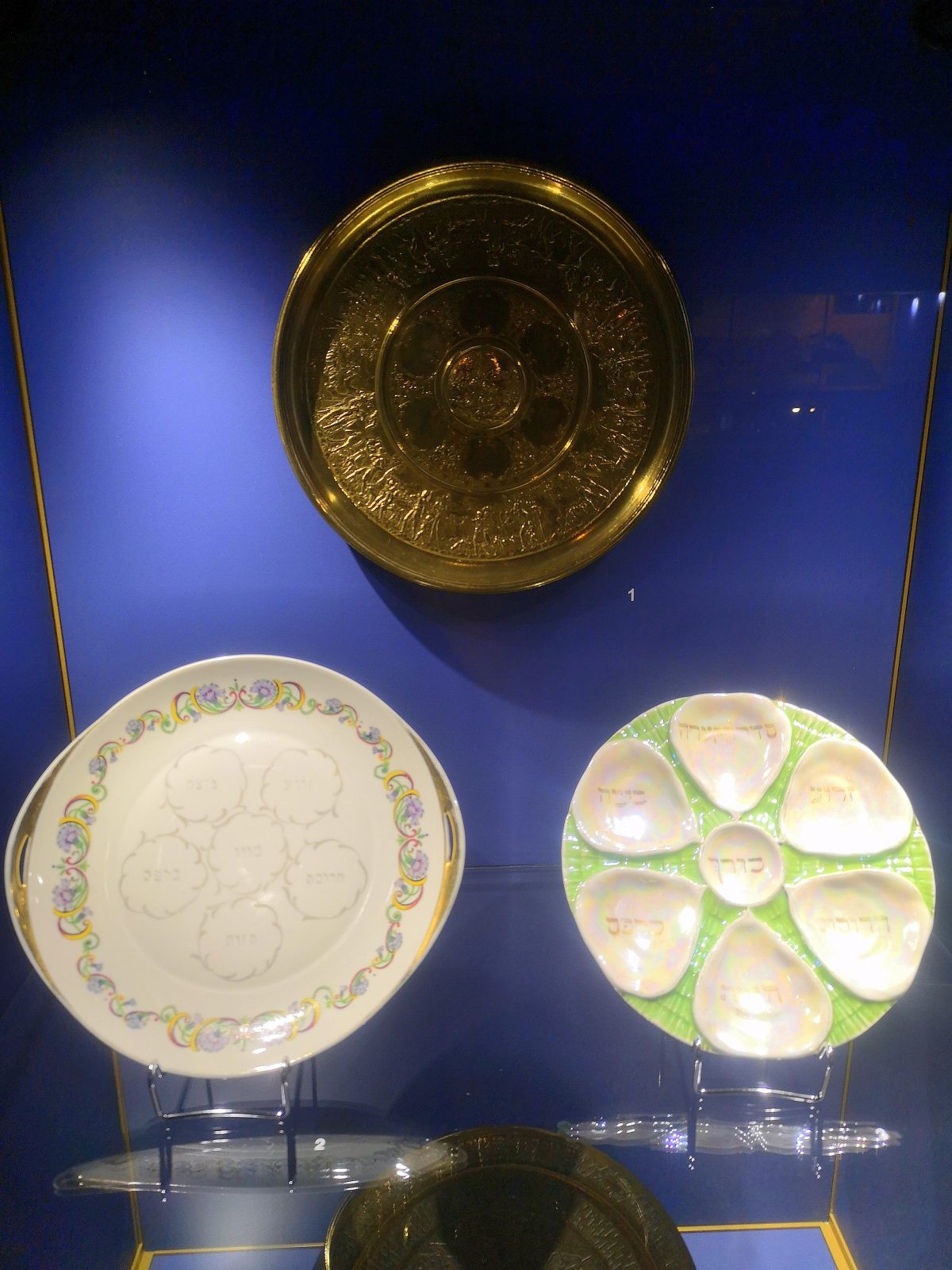
That is why many families keep a separate set of dishware exclusively for Passover, stored away the rest of the year in boxes or a dedicated cabinet: it is the simplest option, and it avoids having to kosher items every year. Over time, many families build this set gradually, buying or inheriting pieces, until they have a complete set dedicated only to those eight days a year.
What can be koshered, material by material
Those without separate Passover dishware can kosher certain utensils through hagalah, though not all of them:
- Uncoated metal (pots, cutlery): generally suitable for hagalah, following the same procedure used the rest of the year.
- Glass: depending on custom, some consider thorough washing sufficient, others require immersion; check your community's specific criterion.
- Ceramic and porcelain: generally cannot be koshered for Passover under any opinion, since the porous material retains what it absorbed permanently; a separate set is required.
- Plastic and rubber: most opinions do not allow koshering them, though there are specific exceptions depending on prior use.
Frequently asked questions
Do I need to buy new Passover dishware every year?
No, once the set is assembled it is reused year after year, stored the rest of the time. You only need to replace broken pieces or add new ones as the family grows.
Do appliances also need a separate set for Passover?
It depends on the appliance. Some, like a toaster, generally cannot be koshered and it is worth having one dedicated to Passover; others, like the oven, have a specific procedure detailed in how to kosher an oven.
How far in advance should I start preparing the dishware?
It is worth starting with some margin, at least a week ahead, to have time to kosher the eligible utensils without rushing and to resolve any doubts with your rabbi or local certifier before the holiday begins.
Related reading
To understand exactly which products need to be removed from the kitchen before the holiday, see chametz: what it is and how it is removed. And to know what to do with the pots and pans used daily throughout the year, see how to kosher metal utensils.
📰 You might be interested
Festividades
Chametz: what it is and how it is eliminated before Passover
Chametz is the fermented food forbidden during Passover. Knowing which products contain it is key to preparing for the holiday.
Festividades
The Jewish calendar and the holidays that affect kosher eating
Several Jewish holidays have their own food customs, beyond the general rules of kashrut.