Festividades
Chametz: what it is and how it is eliminated before Passover
Chametz is the fermented food forbidden during Passover. Knowing which products contain it is key to preparing for the holiday.
Chametz is any product made from one of the five grains — wheat, barley, oats, rye or spelt — that came into contact with water and fermented (rose) for more than 18 minutes without being baked. This includes bread, beer, most pasta, cookies, and a huge number of processed products that use these grains as an ingredient or derivative.
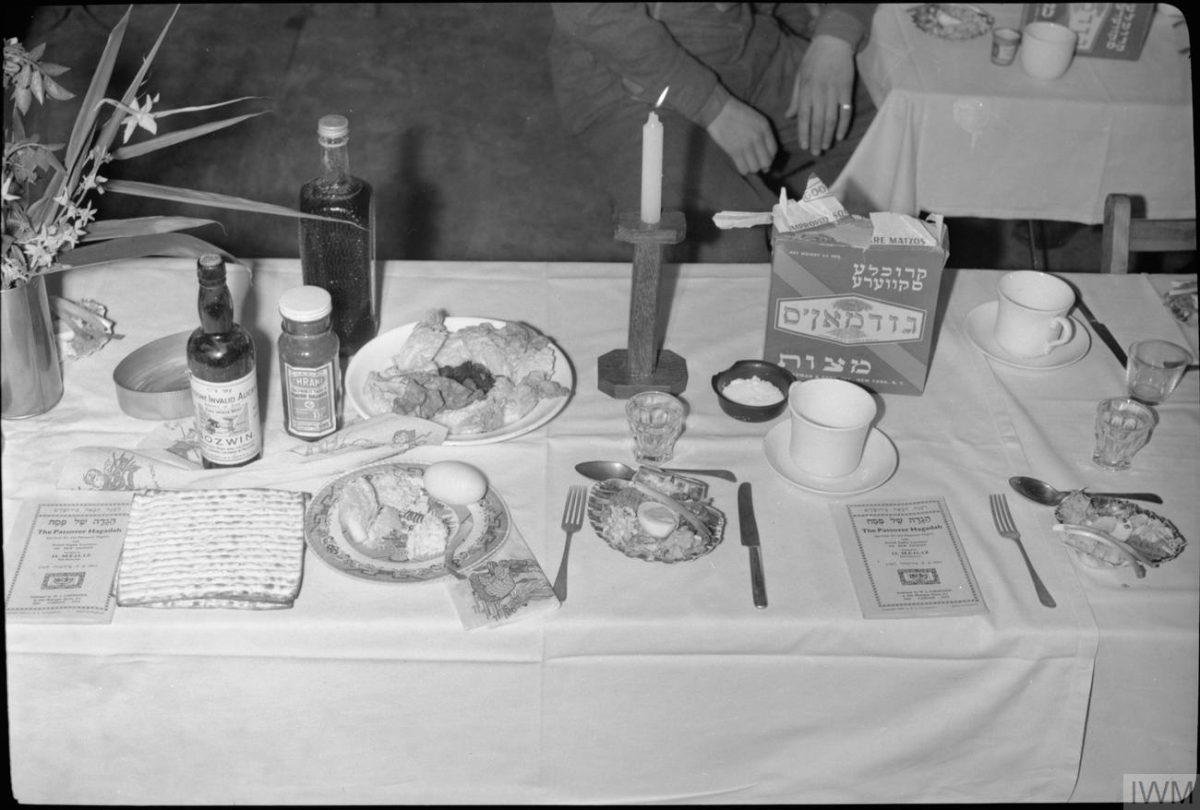
Not just eating it: owning it is forbidden too
The Torah forbids not only eating chametz during Passover, but also owning it, even just stored away with no intention of eating it. That is why, in the weeks before the holiday, Jewish families do a deep cleaning of the house (bedikat chametz) to remove any trace of bread, flour or chametz products from cupboards, cars, bags and any corner where a crumb might have fallen. This cleaning usually starts several days ahead, room by room, and is completed the night before Passover with a final ritual search.
What to do with chametz you cannot throw away
For chametz that cannot or should not be thrown away, such as expensive spirits or hard-to-replace products, there is the option of symbolically "selling" it to a non-Jewish person through a contract called mechirat chametz, usually coordinated by the community rabbi, often online in the weeks before the holiday. The sold chametz is kept closed and set aside during the holiday, physically still in the house but legally "sold," and is automatically "bought back" once Passover ends, with no further action needed from the owner.
The ritual search and the final burning
The night before Passover, a ritual search for chametz (bedikat chametz) is performed throughout the house, usually with a candle, a feather and a wooden spoon. It is common for a family member to hide a few small pieces of bread wrapped in paper beforehand so the search doesn't come up empty (a widespread custom in many communities). The next morning, whatever was found is burned in a ritual called biur chametz, accompanied by a declaration nullifying any remaining trace that might not have been found.
Frequently asked questions
Are oats and rye really forbidden, or only wheat?
All five grains (wheat, barley, oats, rye and spelt) are included in the chametz prohibition when they ferment with water. Rice and corn are not part of this group, though in some communities (mainly Ashkenazi) they are avoided under a separate custom called kitniyot, distinct from the chametz prohibition itself.
What happens if I find chametz at home during Passover?
It must be removed immediately: kept closed until the holiday ends if it was already included in the symbolic sale, or discarded if it wasn't.
Does selling chametz cost anything?
It is generally done free of charge or with a symbolic contribution to the synagogue coordinating it; it is not a real economic sale, but a legal mechanism within halacha.
Related reading
To understand what happens with pots and dishes that were in contact with chametz during the year, see Passover dishware. And for the broader calendar and what is eaten at each holiday, see the Jewish calendar and food.
📰 You might be interested
Festividades
Passover dishware: everything you need to know
During Passover, stricter rules than the rest of the year apply to kitchenware, due to the prohibition of chametz.
Festividades
The Jewish calendar and the holidays that affect kosher eating
Several Jewish holidays have their own food customs, beyond the general rules of kashrut.