Kashrut Básico
Kosher fish: fins and scales, the basic rules
Unlike meat, kosher fish does not require shechita, but it must meet a specific physical criterion.
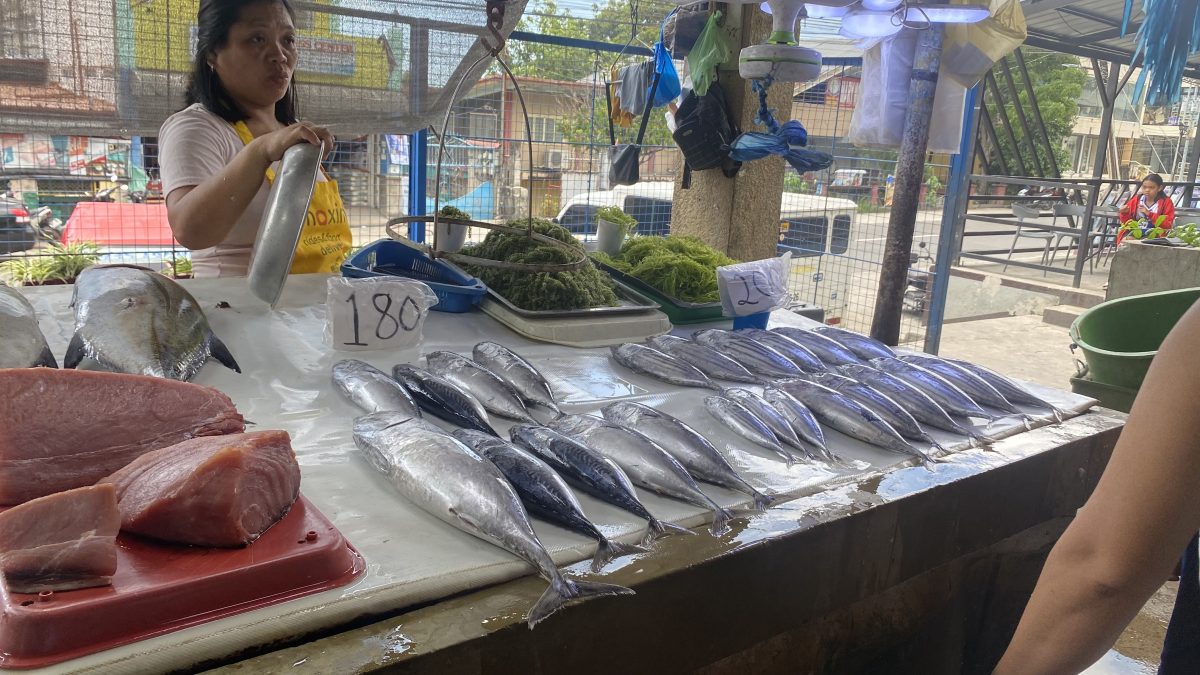
The Torah sets a relatively simple rule for identifying kosher fish: it must have both fins (snapir) and scales (kaskeset) visible to the naked eye. This combination is present in the vast majority of freshwater and saltwater fish commonly eaten, such as salmon, tuna, hake, trout and mackerel.
What is excluded from kashrut
- All shellfish (shrimp, prawns, crab, mussels, oysters): they lack both fins and scales under any criterion.
- Octopus and squid: also fail to meet the criterion, having neither true fins nor scales.
- Shark and monkfish: they lack true scales according to most halachic opinions, though the topic has been debated for years among different rabbinic authorities.
- Eel: lacks visible scales, and is excluded from the kosher criterion.
- Swordfish: its status has historically been debated among different rabbinic authorities, and not every certifier treats it the same way.
Why kosher fish is simpler to prepare than meat
An important difference from meat: kosher fish does not require shechita or a blood-removal salting process, which greatly simplifies its preparation. However, in many traditions — especially Ashkenazi — fish is treated as a category separate from meat and dairy, avoiding combining it with meat in the same dish (although it does not require the same strict utensil separation that applies between meat and milk).
How to verify fish when buying it
When buying fresh fish, it's worth verifying that it retains skin with visible scales, since some filleting removes the skin entirely, making verification difficult. That is why many kosher fishmongers leave an identifiable patch of skin on the cut, usually a strip near the tail, specifically so the species can be confirmed without doubt.
Frequently asked questions
Is caviar kosher?
It depends on the fish of origin: sturgeon caviar is a debated topic (due to the sturgeon's atypical scales), while roe from other fish with clear fins and scales is generally accepted without issue.
Is certification needed to buy fresh, whole fish at the fish market?
It isn't mandatory if you can verify the species yourself by its physical characteristics, though for processed products (skinless fillets, canned goods) it is worth looking for certification.
Why is fish kept separate from meat if both are fit on their own?
It is a custom, not a prohibition of the same category as meat and dairy; it originated from a historical health concern that no longer applies, but it is maintained as tradition in many communities.
Related reading
To understand the process required for meat from mammals and poultry, see shechita: the kosher slaughter method. And for another animal-derived ingredient with its own rules, see kosher gelatin: the halachic debate.
📰 You might be interested
Kashrut Básico
Pareve: what it means and why it's so common on labels
Pareve is one of the most repeated words in kosher labeling. We explain what it means and why it's so valued.
Kashrut Básico
Shechita: the kosher slaughter method
For the meat of a kosher animal to be fit for consumption, it must be slaughtered using a specific ritual method called shechita.
Kashrut Básico
Glatt kosher: how is it different from regular kosher
The term "glatt" appears frequently in kosher butcher shops and restaurants. We explain what level of strictness it represents.
Kashrut Básico
Kosher eggs: what to check before using them
Eggs are pareve and generally kosher, but there is a mandatory checking step before cooking them.