Kashrut Básico
Pareve: what it means and why it's so common on labels
Pareve is one of the most repeated words in kosher labeling. We explain what it means and why it's so valued.
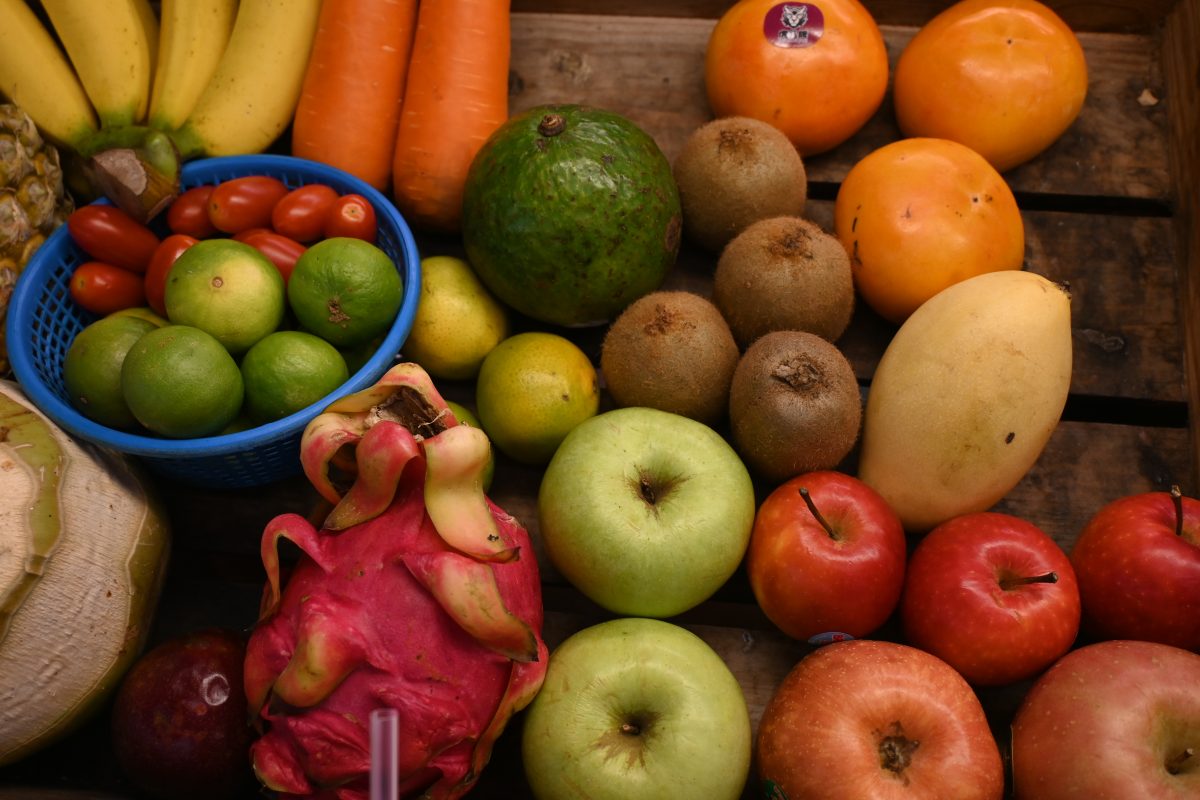
Pareve (also spelled parve, from the Yiddish for "neutral") is the word describing foods that are neither meat nor dairy: fruits, vegetables, eggs, fish, grains, legumes and most products made without dairy or meat ingredients.
It is probably the word you will read most often on kosher labels, and understanding exactly what it implies saves you half of the everyday doubts in the kitchen.
Why it is the most sought-after category
The great advantage of a pareve product is that it can be freely combined with both meat and dairy meals, without creating any conflict. That makes it the wildcard of the kosher kitchen.
Dessert is where this matters most. If dinner was meat, you cannot serve ice cream, custard or anything with cream, because you have to wait between meat and dairy. A pareve dessert solves the problem: it can be served immediately after a barbecue. That is why the industry invests so heavily in developing pareve versions of products that traditionally contain dairy — chocolate, margarine, vegetable creams for baking, water-based or plant-milk ice creams: it opens up a market that otherwise could not buy them with the main meal.
The nuance that confuses everyone: pareve by ingredients vs. certified pareve
This is where most people get it wrong. A food can have an ingredient list that is impeccably free of dairy and still not be pareve, if it was produced on equipment that also processes dairy products.
Think of a cookie factory: the same line produces butter cookies in the morning and butter-free cookies in the afternoon. Even though the second batch contains no dairy ingredient, the equipment retains flavour from the previous run. The result is labelled "DE" (dairy equipment): it cannot be eaten together with meat, though it may be eaten after a meat meal without waiting the full hours.
That is why kosher certification is not a laboratory analysis of ingredients: it is an audit of the entire process, including what was produced earlier on that line and how it was cleaned in between.
Concrete examples of pareve products
- Almost always pareve: olive oil and other vegetable oils, sugar, salt, rice, dried legumes, fresh fruit and vegetables, unprocessed nuts, mineral water and soft drinks.
- Depends on the brand: bread (many contain butter or whey), pasta (egg pasta is still pareve, but worth verifying), chocolate (dark chocolate is usually pareve, milk chocolate obviously is not), cookies, margarine.
- Pareve with an asterisk: fish is pareve, but many communities do not combine it with meat on the same plate for a separate reason, explained in kosher fish.
You can check the status of a specific brand in our directory of certified products, filtering directly by type.
A classic mistake: confusing pareve with vegan
They are not the same, although they overlap considerably. A vegan product contains nothing of animal origin, but it may have been made on equipment shared with meat products, or contain ingredients that halacha restricts for other reasons — such as wine, which needs its own supervision even when vegan.
And the other way around: a pareve product may contain egg or fish, which are not vegan. We develop the differences in kashrut and veganism.
Frequently asked questions
Is an egg pareve even though it comes from an animal?
Yes. The meat category refers to the flesh of the animal, not to its non-dairy by-products. The egg of a kosher bird is pareve and can be used in both dairy and meat preparations. That said, it must be checked before use, as we explain in kosher eggs.
If I cook something pareve in a meat pot, is it still pareve?
Not exactly. It becomes considered "pareve cooked in meat", which in practice means you cannot serve it with dairy. That is why many families keep some pots dedicated exclusively to pareve, precisely to preserve that flexibility.
Is honey pareve if bees produce it?
Yes, honey is pareve and kosher, despite bees not being a kosher animal. It is one of the classic exceptions of kashrut, because honey is not considered a product of the bee's body but transformed nectar.
Further reading
The natural companion to this article is meat and milk: why they are not mixed, which explains where this whole division comes from. For detail on how to interpret the symbols on the package, see how to read a kosher label.
Among external sources, the Orthodox Union guide covers the categories with the corresponding halachic sources, and you can consult the Wikipedia entry on pareve for a quick reference. Other certifiers with useful public material are OK Kosher Certification and the Chicago Rabbinical Council (cRc), which publishes updated product lists.
📰 You might be interested
Kashrut Básico
Shechita: the kosher slaughter method
For the meat of a kosher animal to be fit for consumption, it must be slaughtered using a specific ritual method called shechita.
Kashrut Básico
Glatt kosher: how is it different from regular kosher
The term "glatt" appears frequently in kosher butcher shops and restaurants. We explain what level of strictness it represents.
Kashrut Básico
Kosher eggs: what to check before using them
Eggs are pareve and generally kosher, but there is a mandatory checking step before cooking them.
Kashrut Básico
Kosher fish: fins and scales, the basic rules
Unlike meat, kosher fish does not require shechita, but it must meet a specific physical criterion.