Kashrut Básico
Glatt kosher: how is it different from regular kosher
The term "glatt" appears frequently in kosher butcher shops and restaurants. We explain what level of strictness it represents.
"Glatt" means "smooth" in Yiddish and originally referred specifically to the condition of an animal's lungs after shechita: if the lungs had no adhesions (sirchah), the animal was considered "glatt," the highest level of certainty that the meat is kosher beyond doubt.
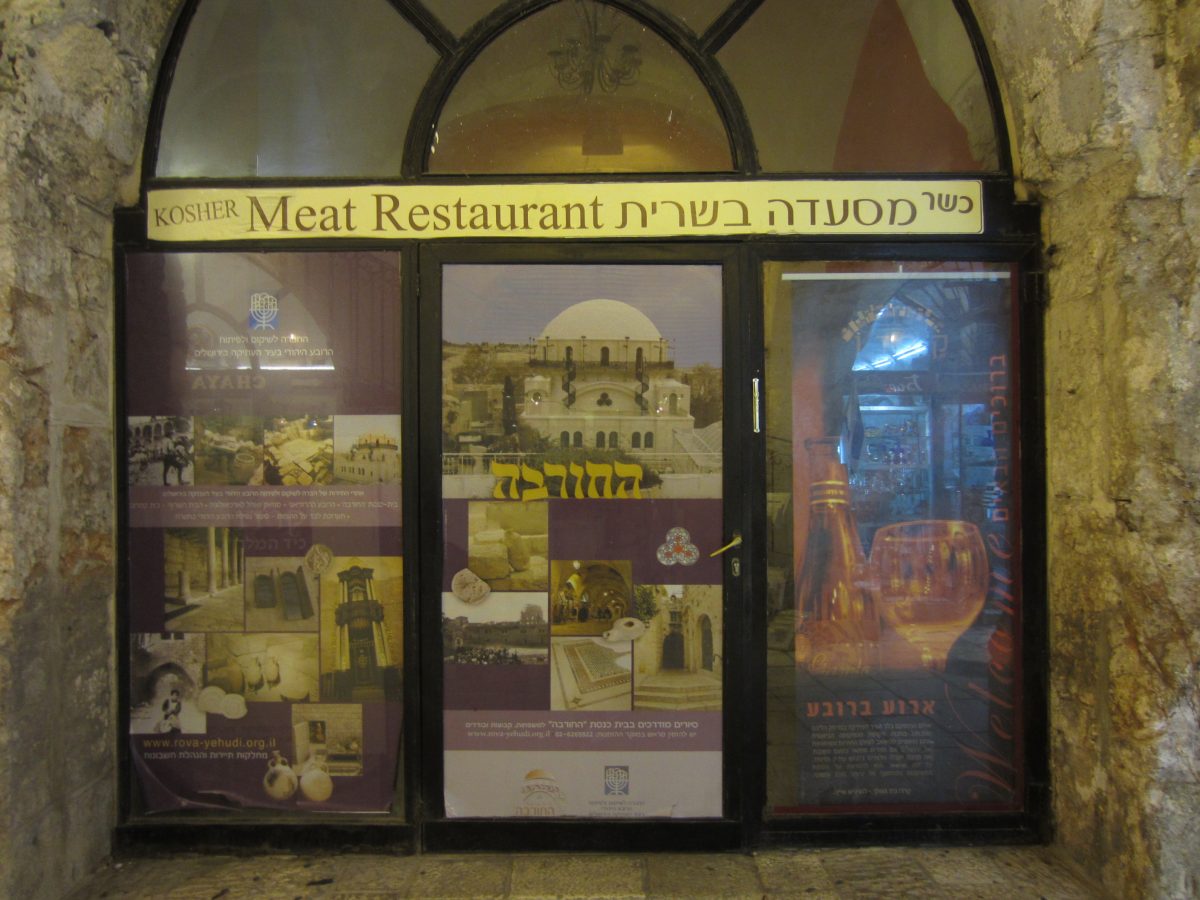
The technical origin: the animal's lungs
During the post-shechita inspection, one of the key steps is checking the animal's lungs for adhesions (sirchot), which can indicate a disease or perforation that would invalidate the animal as kosher. When the lung appears completely smooth, with no adhesions at all, the animal is classified as "glatt." If it has minor adhesions that an expert examiner (bodek) determines can be removed without leaving a perforation, the animal may still qualify as kosher under the standard criterion, though not as "glatt."
How it went from a technical term to a general strictness label
Over time, especially in Ashkenazi communities in the United States, the term "glatt kosher" colloquially expanded to describe an overall stricter standard throughout a food's entire production chain, not just lung inspection. Today it is common to see "glatt kosher" on restaurant and product labels to indicate they meet the most demanding criteria possible, even in contexts where the original technical term (an animal's lungs) doesn't even apply.
Is standard kosher "less valid"?
It is important to note that a "kosher" product without the "glatt" label is not less halachically valid: it simply follows a different certification standard, generally accepted by the vast majority of communities and rabbinic authorities. Choosing between standard kosher and glatt kosher usually depends on family or community custom, rather than an objective difference in validity. Many families who don't follow glatt daily still choose it for special occasions, like a wedding or a major holiday.
For poultry and fish, the concept of "glatt" technically does not apply in the same way, since birds don't undergo the same kind of lung inspection, although colloquially it is sometimes used to indicate a generally more rigorous level of supervision.
Frequently asked questions
Is all glatt kosher meat more expensive?
Generally yes, because the selection process is stricter and a higher percentage of animals are rejected, which reduces the available supply relative to demand.
Is a restaurant that says "kosher" without specifying "glatt" being dishonest?
No, it is simply being precise: it follows the standard kosher criterion, which is fully valid for the vast majority of communities.
Does "glatt" guarantee that other rules, like bishul akum, were also followed?
Not automatically. "Glatt" refers specifically to the meat inspection level; other rules like bishul akum are verified separately as part of the overall certification process.
Related reading
To understand the full process behind kosher meat, from slaughter to inspection, see shechita: the kosher slaughter method. And to recognize the seals that certify all of this on a label, see kosher certification symbols.
📰 You might be interested
Kashrut Básico
Pareve: what it means and why it's so common on labels
Pareve is one of the most repeated words in kosher labeling. We explain what it means and why it's so valued.
Kashrut Básico
Shechita: the kosher slaughter method
For the meat of a kosher animal to be fit for consumption, it must be slaughtered using a specific ritual method called shechita.
Kashrut Básico
Kosher eggs: what to check before using them
Eggs are pareve and generally kosher, but there is a mandatory checking step before cooking them.
Kashrut Básico
Kosher fish: fins and scales, the basic rules
Unlike meat, kosher fish does not require shechita, but it must meet a specific physical criterion.