Productos
Mevushal: kosher wine that can be served without restrictions
Mevushal wine is a special category that allows it to be served at events without requiring that only Jews handle it.
As we saw when discussing kosher wine, the general rule requires that only observant Jews handle the wine from production to serving. Mevushal wine ("boiled" or pasteurized) is a practical exception to this rule: once the wine goes through a heating process at a specific minimum temperature, it keeps its kosher status no matter who serves it afterward.
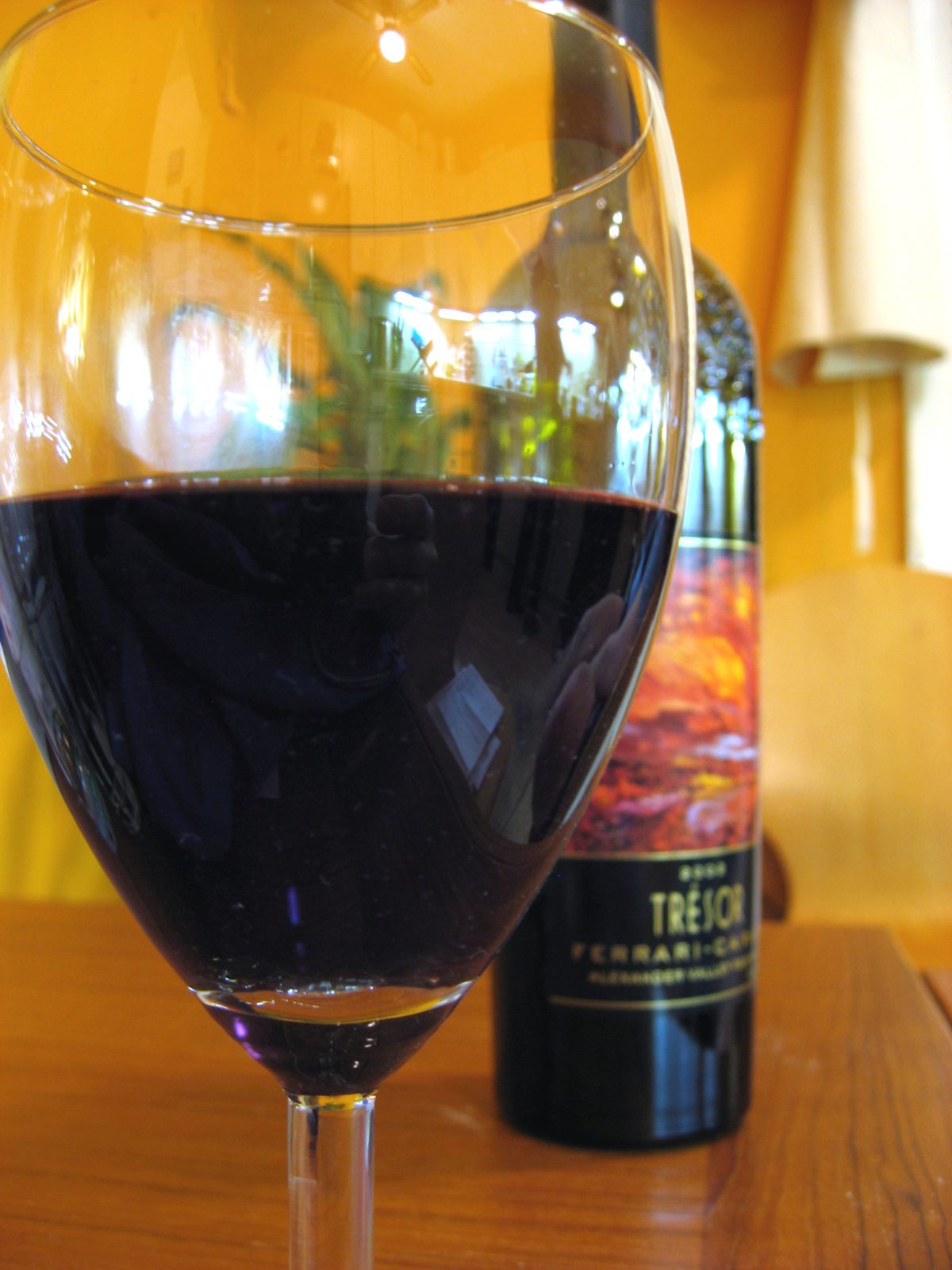
Why heat changes everything
This category exists thanks to a halachic principle according to which wine altered by heat loses the ritual "dignity" that originally motivated the restriction, since historically that concern was aimed at wine's use in idolatrous ceremonies — something a boiled wine did not lend itself to in that context. Once it loses that status, it stops mattering who touches or serves it afterward: it can pass through non-Jewish hands without losing its kosher status.
Where it is used most
Mevushal wine is very popular for:
- Catering and events: weddings, bar/bat mitzvahs and receptions where serving staff is not necessarily Jewish.
- Kosher restaurants open to the general public: lets any waiter serve the wine without special supervision at each table.
- Airlines and hotels that offer kosher options, where it would be impractical to guarantee only Jewish staff touches every bottle.
- Synagogues and large community events, where wine passes through many hands during a kiddush.
How it is pasteurized without ruining the flavor
For a long time, boiling wine the traditional way affected the flavor considerably, and mevushal had a reputation for being lower quality. Today there are modern flash pasteurization techniques, where the wine is heated to the required minimum temperature for only a few seconds and cooled immediately, something that used to be much harder to achieve without ruining the flavor. This has greatly expanded the range of premium mevushal wines on the market, including labels from well-known wineries that previously only produced non-mevushal wine.
Frequently asked questions
Is every kosher wine sold in supermarkets mevushal?
No, there are also non-mevushal kosher wines on the general market. Check the label or the certifier's website if this matters for your use (for example, if you'll serve it at an event with non-Jewish staff).
Is mevushal lower quality than regular kosher wine?
Not necessarily anymore. With modern flash pasteurization techniques, many wineries produce premium-level mevushal wine indistinguishable in a blind tasting from the non-pasteurized version.
Can a wine become mevushal after it has already been bottled?
No, the heating process must happen before or during production, under supervision, and is noted on the label or in the certifier's product listing.
Related reading
To understand why regular wine needs such strict supervision in the first place, see kosher wine: why it needs special supervision. The topic also relates to bishul akum, another category where who handles the food matters.
📰 You might be interested
Productos
Kosher wine: why it needs special supervision
Wine has a particular status in halacha: to be kosher, it must be made and handled exclusively by observant Jews.
Productos
Kosher gelatin: the halachic debate
Gelatin is one of the most debated ingredients in the kosher world, because its animal origin can compromise its status.
Productos
Alcohol and spirits: what it takes for them to be kosher
Whiskey, vodka, rum and other spirits are often kosher by nature, but there are important exceptions to keep in mind.
Productos
The most common kosher certification symbols
OU, OK, Star-K, KSA... there are dozens of kosher certification symbols around the world. We help you recognize the most common ones.